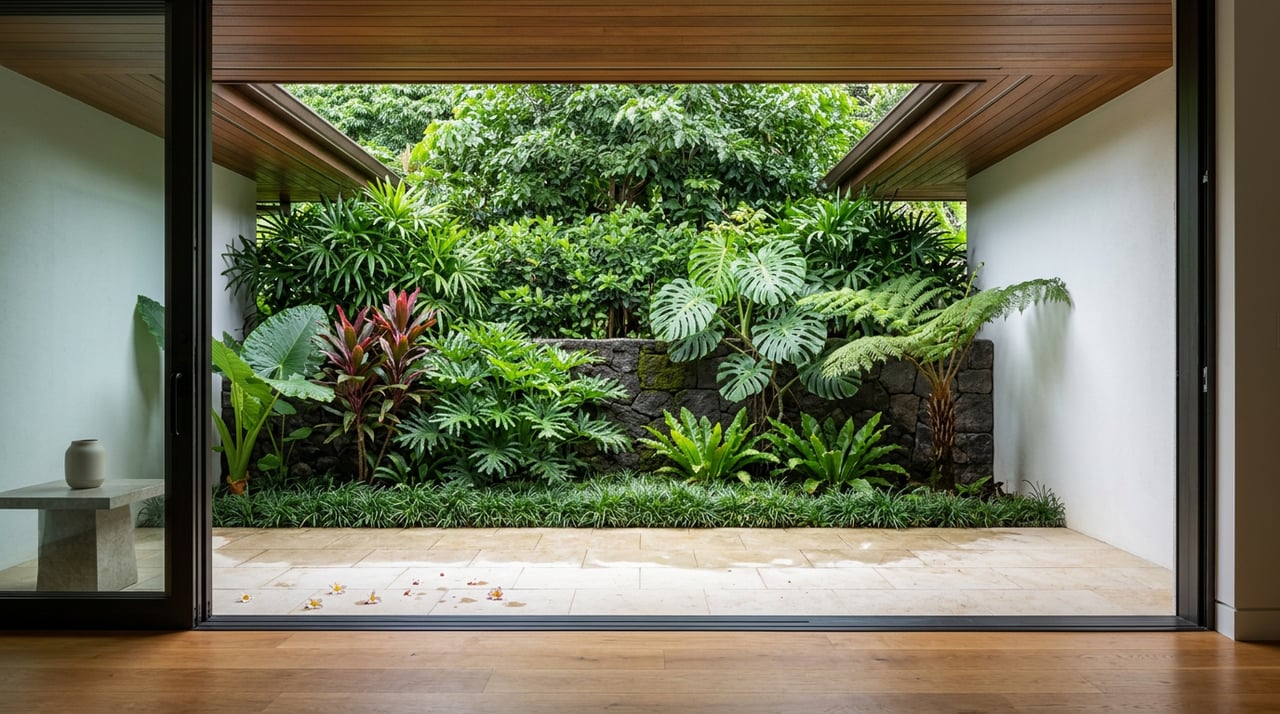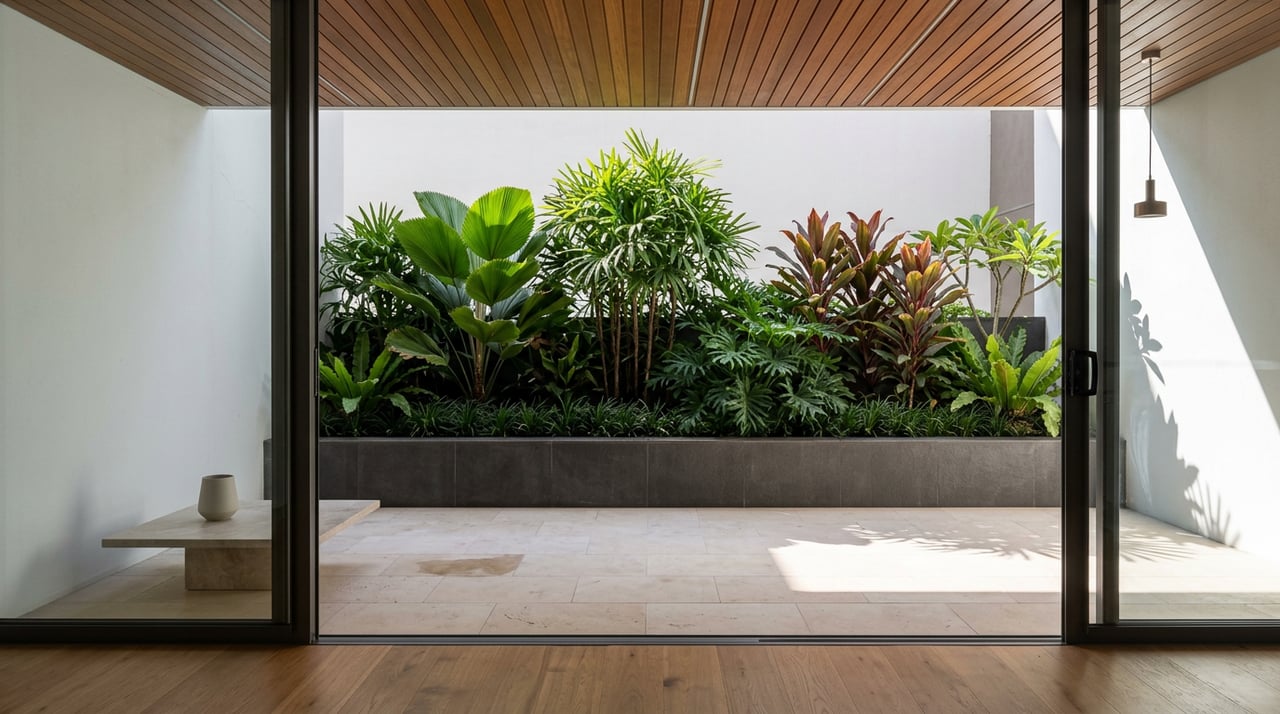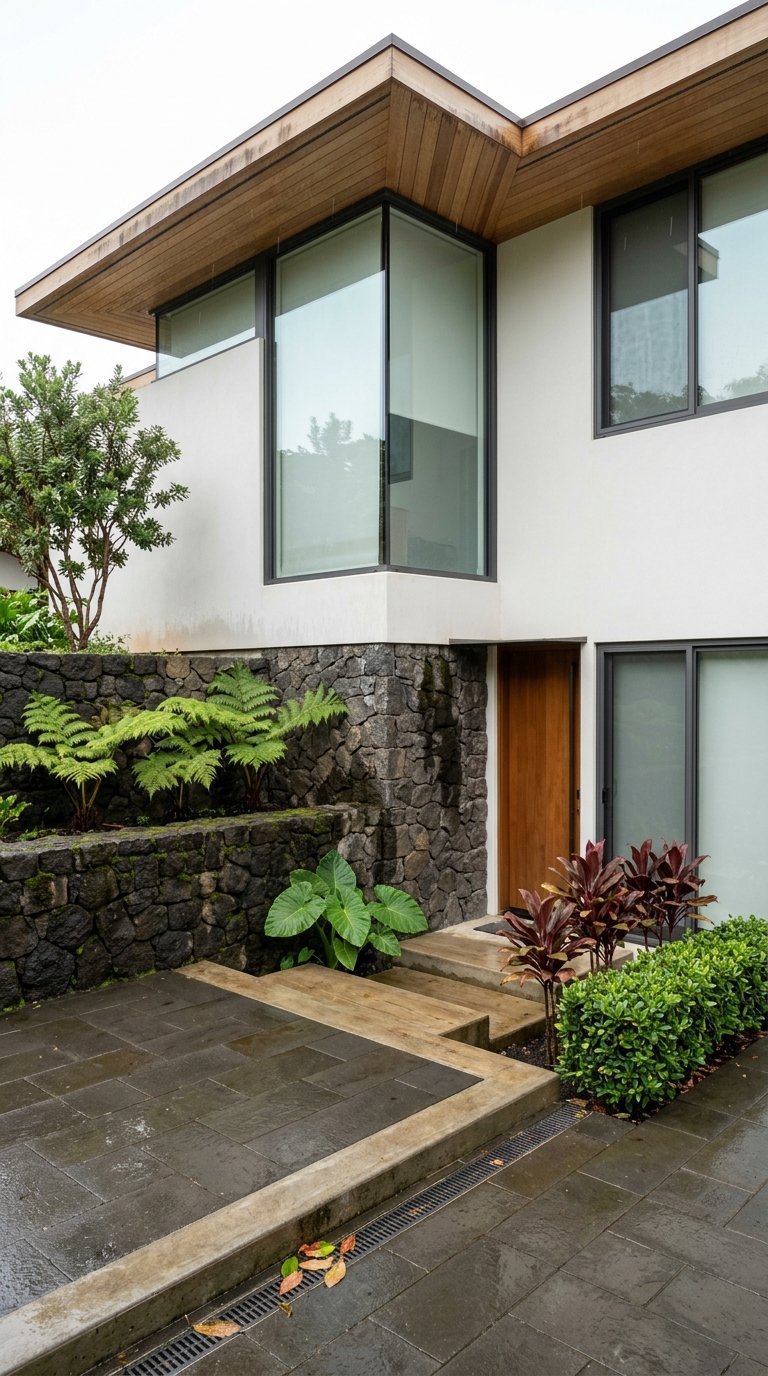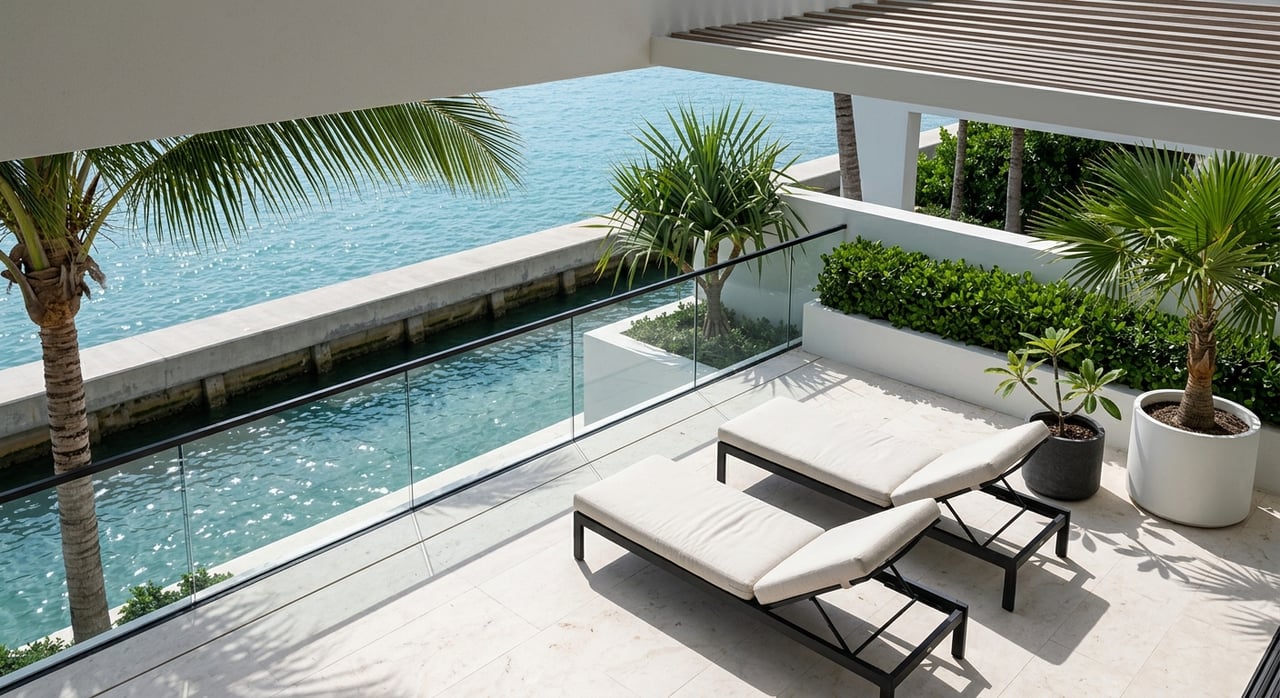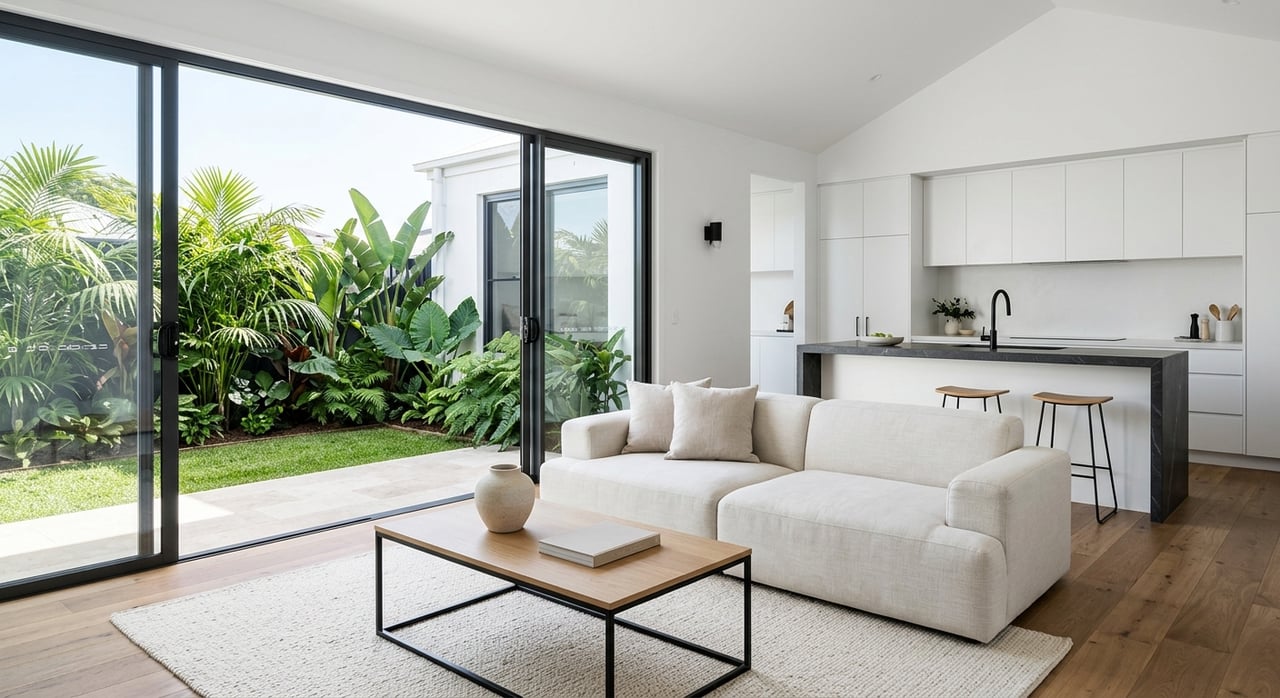
Selling in Mililani is not just about putting your home on the market. It is about helping buyers feel, almost instantly, that your home is move-in ready, functional, and worth a strong offer. If you want to sell higher, the right staging strategy can shape how your home looks online, how it feels in person, and how confidently buyers respond. Let’s dive in.
Why staging matters in Mililani
Mililani Town is one of Central Oʻahu’s best-known planned communities, with established neighborhoods, recreation centers, schools, shopping, and a strong focus on maintaining quality of life and property values. It also has a high owner-occupancy rate, with 81.2% of homes owner-occupied according to Census QuickFacts. That local context matters because buyers often respond well to homes that feel well cared for, practical, and easy to live in.
Presentation still matters, even in a market with steady demand. In March 2026, Mililani Town had 52 homes for sale, a median listing price of $649,000, a median 45 days on market, and a 100% sale-to-list ratio, according to Realtor.com. The Honolulu Board of REALTORS® also reported that Oʻahu single-family homes in April 2026 were moving in a median 24 days, with pricing and buyer expectations playing a major role.
That means your home does not just need to be available. It needs to stand out.
How staging can support a higher sale
Staging helps buyers picture themselves living in the home. In the 2025 Profile of Home Staging from NAR, 83% of buyers’ agents said staging made it easier for buyers to visualize a property as a future home. That emotional connection can matter when buyers are comparing several homes in the same price range.
There is also evidence that staging can support stronger offers. In the same report, 29% of agents said staging led to a 1% to 10% higher dollar value offered, and 49% said it reduced time on market. Not every home will see the same result, but the pattern is clear: presentation can affect both buyer interest and perceived value.
Staging also helps before buyers ever step inside. NAR data shows that 46% of buyers first looked online for properties, 52% found the home they purchased on the internet, and 81% said photos were very useful in their search. If your home does not look polished on a phone screen, many buyers may never schedule a showing.
Focus on the rooms that matter most
If you are not staging every room, start with the spaces buyers notice first and remember most. NAR found that buyers’ agents ranked the living room as the most important room to stage, followed by the primary bedroom and kitchen. Those spaces tend to carry the strongest emotional and visual impact.
In Mililani, that often means showing a bright, uncluttered living area with clear seating, an easy flow, and room to gather. Your primary bedroom should feel restful and open, not cramped or overly decorated. In the kitchen, buyers want to see clean counters, simple styling, and a sense that everyday life will be easy there.
After those core rooms, the dining area and outdoor space are smart next priorities. Secondary bedrooms do not always need heavy styling, but they should still feel purposeful. A clean flex room reads better than a catch-all storage space.
Start with the basics first
The strongest staging moves are often the simplest ones. According to NAR, sellers’ agents most often recommend:
- Decluttering the home
- Cleaning the entire home
- Improving curb appeal
- Painting touch-ups
- Minor repairs
- Carpet cleaning
- Depersonalizing the space
- Landscape improvements
- Removing pets during showings
These steps work because they remove distractions. Buyers should notice your home’s space, light, and layout, not crowded shelves, scuffed paint, or unfinished projects.
In many Mililani homes, practical function matters just as much as style. Organized closets, tidy garages, and open walkways can help buyers understand how the home supports everyday living. For an occupied home, that kind of clarity can be more effective than expensive decorative upgrades.
Use staging that fits Mililani buyers
Mililani is a large, long-established community, and many households are looking for homes that feel usable and well maintained. Based on local demographics like household size and owner-occupancy, it often helps when a staged home feels balanced, livable, and efficient rather than highly customized. You want buyers to think, “I can see how this works,” not, “I would need to undo all of this.”
That usually means keeping the design calm and neutral. Avoid bold personal collections, oversized furniture, and heavy decor that makes rooms feel smaller. A good stage creates breathing room and lets the home itself do the talking.
Flexibility matters too. If you have a spare bedroom, loft, or den, show one clear use for the space. A neatly arranged office, reading room, or guest room will typically land better than a room filled with mismatched storage bins and extra furniture.
Do not overlook curb appeal
Exterior presentation carries real weight in Mililani. The Mililani Town Association highlights landscaping, facilities, sustainability, and property values as part of the community’s long-term focus. In a neighborhood known for parks, walkways, and maintained common areas, buyers notice when a home’s exterior feels equally cared for.
Before photos and showings, focus on simple improvements that create a clean first impression:
- Sweep the entry and driveway
- Trim plants and remove dead growth
- Clean the front door and entry area
- Put away hoses, bins, and loose items
- Stage the lanai or yard to feel usable
You do not need an elaborate makeover. You just need the exterior to feel neat, welcoming, and consistent with the surrounding community.
Full staging or partial staging?
Not every Mililani seller needs to fully stage every room. NAR found that many agents do not stage a whole home before listing, but instead recommend decluttering and addressing property flaws. When professional staging is used, the median spend was $1,500, compared with $500 when the seller’s agent staged the home personally.
For many occupied homes, a partial staging plan makes sense. You can focus resources on the living room, primary bedroom, kitchen, dining area, and outdoor space while keeping secondary rooms clean and simple. If your home already has good natural light, a strong layout, and updated finishes, that targeted approach may be enough.
Vacant homes may need more support because empty rooms can feel smaller and harder to interpret online. In those cases, physical staging often gives buyers a better sense of scale and function. NAR’s data shows buyers’ agents place more importance on photos and physical staging than on virtual staging alone.
Make sure the staging is photo-ready
A staged home only works if it is captured well. Buyers are often meeting your home for the first time through listing photos, and those images need to communicate space, flow, and condition quickly. That is especially important because many buyers search on mobile devices.
Before photography, make sure each staged room is fully finished. Straighten bedding, clear cords, remove countertop clutter, and check lighting throughout the home. Even strong staging can fall flat if small visual distractions make the home feel messy in photos.
Physical staging should lead the strategy, with digital tools used carefully if needed. Virtual staging can help clarify a vacant room, but it generally works best as a supplement rather than a replacement for real presentation. Buyers tend to respond best when the home they see online matches the home they walk into in person.
Common staging mistakes to avoid
The wrong choices can weaken your results, even if you have good intentions. NAR notes that staging can hurt value when the home is decorated against buyer preferences. The goal is broad appeal, not a highly specific design statement.
Watch out for these common issues:
- Overpersonalized decor
- Oversized furniture
- Crowded counters and shelves
- Strong pet odors
- Exterior clutter
- Half-finished repairs or touch-ups
- Rooms with no clear purpose
If buyers start focusing on what feels off, they are less likely to focus on what makes your home worth the price.
The best Mililani staging strategy
The best staging strategy for a Mililani home is usually not the flashiest one. It is the one that makes your home feel clean, easy to understand, and well aligned with buyer expectations. In this market, buyers are looking closely at value, condition, and fit.
That is why smart staging often starts with a simple plan: declutter, deep clean, refine the main living spaces, improve curb appeal, and make sure the home shines in photos. From there, the right level of partial or full staging can help support a stronger first impression and, potentially, a stronger sale outcome.
If you are preparing to sell in Mililani and want a strategy that is tailored to your home, your timeline, and your likely buyer pool, The Oahuist - Bridget Townsend offers a presentation-driven approach with in-house staging, premium marketing, and local guidance with aloha.
FAQs
What rooms should you stage first in a Mililani home?
- Start with the living room, primary bedroom, and kitchen, since buyers’ agents say those spaces matter most.
Does home staging really help Mililani homes sell for more?
- NAR’s 2025 staging report found that 29% of agents saw staging lead to a 1% to 10% higher dollar value offered.
Is partial staging enough for an occupied Mililani listing?
- Yes. For many occupied homes, partial staging focused on key rooms plus decluttering and cleaning can be a practical and effective approach.
What curb appeal updates matter most for a Mililani home sale?
- Clean entries, trimmed landscaping, a tidy driveway, and a usable lanai or yard can make a strong first impression.
Should you use virtual staging for a Mililani listing?
- Virtual staging can help with vacant spaces, but it usually works best as a supplement to real staging and strong photography.