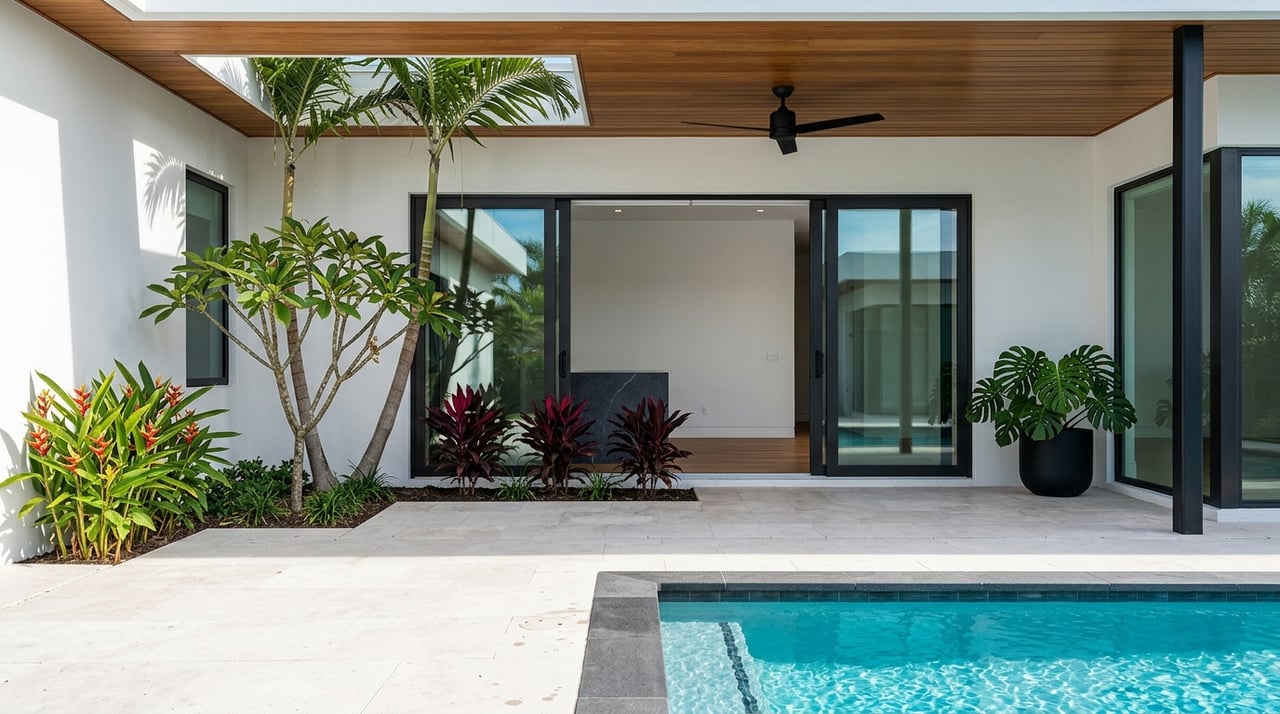
Dreaming about a second home on Oʻahu’s North Shore? You are not alone. For many buyers, this stretch of coast offers a different pace, a strong sense of place, and the kind of setting that feels like a true getaway. If you are thinking about buying here, it helps to understand how the market works, what ownership really looks like, and which due diligence steps matter most before you move forward. Let’s dive in.
Why the North Shore appeals
Oʻahu’s North Shore is often viewed differently from Honolulu’s more urban neighborhoods. According to the Waialua Town Master Plan, Haleʻiwa and Waialua are the region’s principal commercial and civic centers, and the broader area is intended to remain more country in character with limited growth.
That planning framework helps explain why many buyers see the North Shore as a retreat-style market. Instead of thinking only about commute convenience or dense development, buyers here are often focused on lifestyle, open space, and having a home base that feels distinct from everyday city life.
What types of second homes you will find
A second home on the North Shore does not always mean a large oceanfront estate. Recent Oʻahu residential sales reporting shows activity across single-family homes and condominiums in areas such as Waialua, Haleʻiwa, and Kuilima.
That matters because your ownership experience can vary quite a bit by property type. A detached home may offer more privacy and flexibility, while a condo or resort-adjacent property may reduce some exterior maintenance demands. The right fit depends on how often you plan to visit, how hands-on you want to be, and whether you expect the home to remain personal-use only.
Seasonal living matters here
The North Shore changes with the seasons in a way that many second-home buyers notice right away. NOAA notes that Oʻahu’s North Shore is highly seasonal, with winter North Pacific swell narrowing beaches and creating a more active coastal environment, while summer conditions are typically flatter and beaches are wider, according to its shoreline-change study.
In practical terms, your home may feel very different in January than it does in July. That seasonal rhythm can be part of the appeal, but it should also shape how you think about maintenance, access, storm preparation, and the type of property that fits your comfort level.
Start with location risk
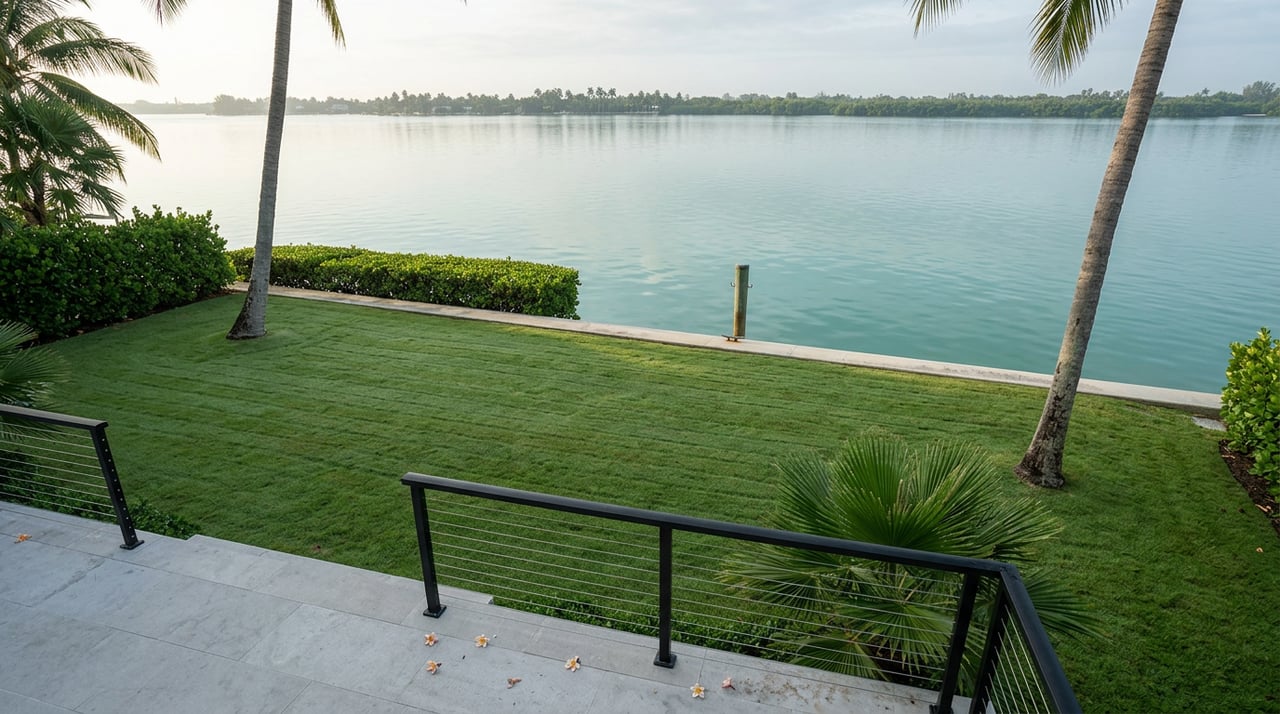
If you are buying near the ocean, physical due diligence should be a top priority. NOAA’s research identifies erosion as a long-term and short-term trend on Oʻahu beaches and points to notable erosion in places including Haleʻiwa and Kuilima/Turtle Bay in its North Shore shoreline analysis.
That does not mean every coastal property is a bad fit. It does mean you should look closely at shoreline history, elevation, drainage, and how the lot interacts with the coast over time. For oceanfront or near-ocean homes, these questions are just as important as finishes, views, or square footage.
Questions to ask before you buy
- What is the property’s flood risk?
- Has the shoreline changed over time near this home?
- How does drainage work on the site during heavy rain?
- Are there existing insurance considerations related to flood or coastal exposure?
- Would future improvements face added permitting limits?
FEMA encourages homeowners to understand flood risk and coastal exposure, and that guidance is especially relevant when you are buying a second home you may not occupy full-time.
Think beyond the purchase price
A second home budget should include more than mortgage and closing costs. On the North Shore, ownership planning should account for salt air, moisture, weather exposure, and the wear that can come with periods of vacancy.
That is one reason many buyers benefit from a simple, durable furnishing plan. Materials and finishes that are easy to maintain can make part-time ownership less stressful, especially when you are not on island year-round to deal with every repair or routine upkeep issue as it comes up.
Condo vs. house for part-time use
For some buyers, a condo can be easier to manage than a detached home. Exterior upkeep may be more streamlined, and that can be appealing if you plan to use the property only part of the year.
Still, convenience comes with tradeoffs. The Hawaii Condominium Guide highlights key issues buyers should review, including governing documents, board operations, association records, reserve funding, maintenance fees, insurance, leaks, water damage, and special assessments.
Condo due diligence checklist
Before you get too attached to the view, review:
- Declaration and bylaws
- House rules
- Current budget
- Reserve funding
- Insurance coverage
- Maintenance fees
- Pending or recent special assessments
- Building history related to leaks or water damage
For a second-home buyer, these documents can tell you a lot about future costs and the overall ownership experience.
Permits can shape your plans
Many buyers think first about design ideas like adding a deck, updating outdoor living space, or making future improvements. Near the shoreline, though, those ideas can quickly become a permitting question.
Honolulu’s Special Management Area rules state that development within the SMA requires permit approval, generally before other permits are issued. Honolulu’s shoreline setback rules also tie setback lines to erosion rate, which can affect what is possible on a given property.
If you are looking at a coastal home because you want to improve it over time, ask those questions early. A stunning setting does not automatically mean future additions or site changes will be straightforward.
Be careful with rental assumptions
One of the biggest mistakes second-home buyers make is assuming they can rent the property when they are not using it. On the North Shore, rental legality should be verified property by property.
City materials explain that short-term rentals are generally limited to specific zoning districts and qualifying situations, and unpermitted short-term rentals in residential zoning districts are prohibited. Honolulu fines can be significant, so this is not an area for guesswork.
If a seller markets a property based on rental potential, verify that claim carefully. Honolulu also requires disclosure regarding whether short-term rental use is legal for the property and, if applicable, the permit or registration number under Ordinance 22-6.
If rental income is part of your plan
You will want to confirm:
- Zoning and legal rental use
- Any permit or registration requirements
- Condo or HOA rules
- Tax obligations tied to rental activity
- Whether your intended use is short-term or long-term
A good rule of thumb is simple: never treat rental use as a bonus feature until it has been fully verified.
Know the tax side of second-home ownership
Taxes can look very different on a second home than on a primary residence. Honolulu’s home exemption guidance states that the property must be the owner’s principal home and is typically supported by more than 270 days of occupancy per year, based on the current home exemption form.
That means a part-time North Shore property generally will not qualify for the same treatment as your main home. Honolulu’s current Residential A tax information sheet also shows that tax rates can vary based on value and classification, so it is worth checking the likely carrying cost before closing.
If you plan to rent the property, tax complexity increases. The Hawaii Department of Taxation explains that rental income from a second home may be taxable, and it distinguishes long-term rentals of 180 consecutive days or more from short-term rentals of less than 180 days. The state also notes that transient accommodation operators generally need a TAT registration and GET license.
Build the right advisory team
Buying a second home on the North Shore can be very rewarding, but it works best when you line up the right professionals early. Depending on the property and your goals, that may include your real estate agent, a tax professional, and in some cases a real estate attorney or property manager.
That coordination matters even more if you are deciding between personal use, long-term rental, or possible short-term rental. Zoning, taxes, permit rules, and condo or HOA restrictions do not always align neatly, so early clarity can save you time, money, and stress.
A smart North Shore buying strategy
If you want to buy well, focus on the basics first. Match the property type to your lifestyle, confirm legal use, study the physical risks, and understand the true cost of ownership before you fall in love with the setting.
With the right guidance, a second home on Oʻahu’s North Shore can be both practical and deeply enjoyable. If you are considering a purchase and want thoughtful, high-touch support with aloha, connect with The Oahuist - Bridget Townsend for a personalized consultation.
FAQs
What should you check before buying a second home on Oʻahu’s North Shore?
- You should review flood risk, shoreline history, erosion concerns, drainage, insurance considerations, permit limits, and any condo or HOA documents that affect ownership.
Is a condo easier than a house for a North Shore second home?
- A condo can be easier for part-time ownership because exterior maintenance may be more limited, but you still need to review fees, reserve funding, insurance, rules, and possible special assessments.
Can you use a North Shore second home as a short-term rental?
- Maybe, but you should verify zoning, permits, registration requirements, taxes, and HOA or condo rules for that specific property before assuming short-term rental use is allowed.
How are taxes different for a second home on Oʻahu’s North Shore?
- A second home generally does not qualify for the primary residence home exemption, and rental use can trigger additional state tax and registration requirements depending on how the property is used.
Why does shoreline erosion matter when buying a North Shore property?
- Shoreline erosion can affect long-term stability, maintenance, insurance, flood exposure, and what future improvements may be allowed on the property.