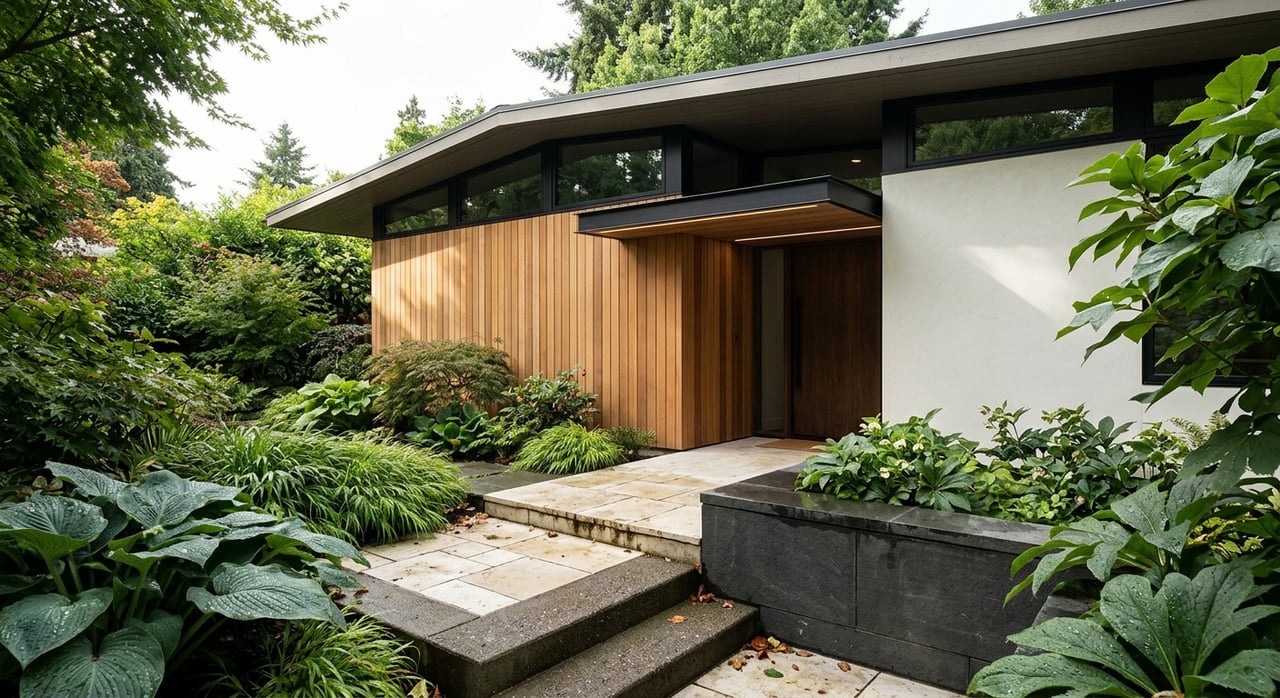
Looking for a Honolulu neighborhood that feels green, grounded, and close to everything? Mānoa stands out because it offers a valley setting with a strong sense of place, while still keeping you within a short distance of downtown, Waikīkī, and the airport. If you are weighing lifestyle, housing character, and daily commute, this guide will help you understand what living in Mānoa can really feel like. Let’s dive in.
Why Mānoa Feels Different
Mānoa has a unique setting in Honolulu. The valley topography gives it a more tucked-away feel than many nearby urban neighborhoods, even though UH Mānoa notes the area is about 4 miles from downtown, 2.5 miles from Waikīkī, and 8 miles from the airport.
That balance is a big part of the appeal. You can stay connected to central Honolulu while enjoying a neighborhood atmosphere shaped by greenery, slopes, and long-established community anchors.
UH Mānoa has helped define the valley for more than a century. The university was established in 1907 and moved to Mānoa in 1912, and today it remains one of the area’s biggest influences on daily life, local activity, and the neighborhood’s identity.
Mānoa Homes and Architecture
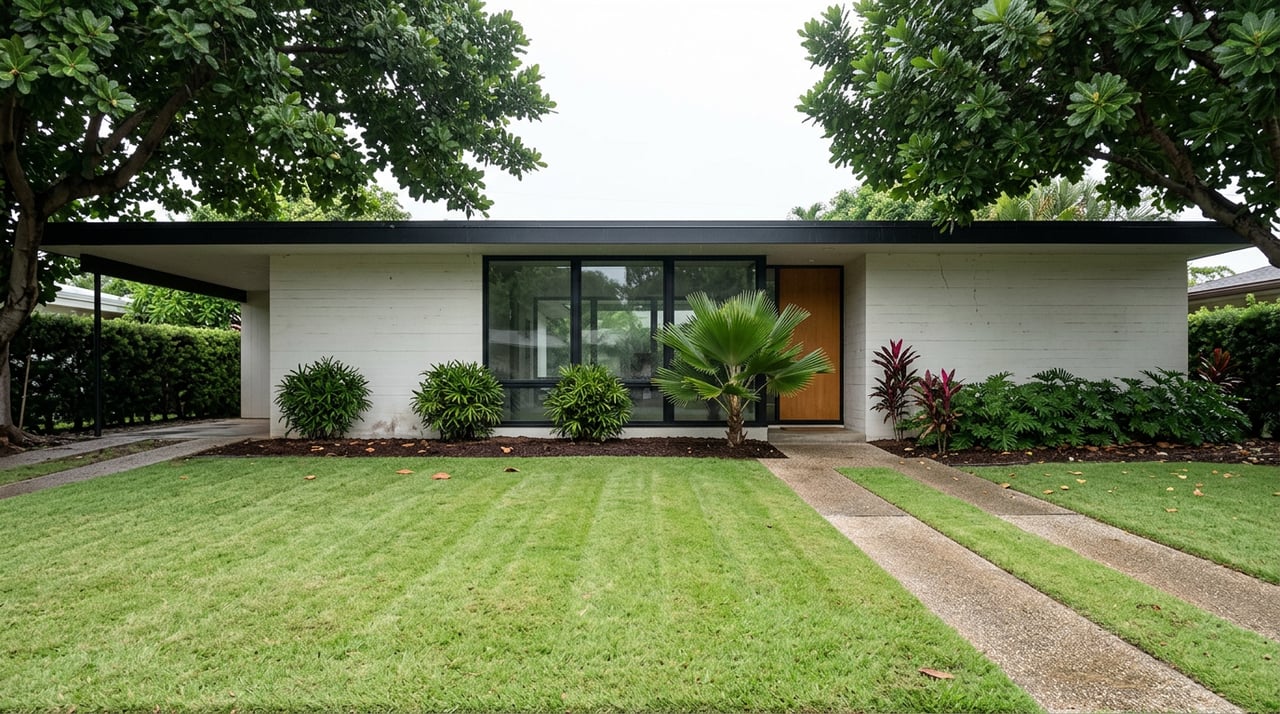
Mānoa is not a one-style neighborhood. Its housing reflects layers of development over time, which gives the area more visual variety than buyers sometimes expect.
Early suburban development left a clear mark here. Historic records for properties in the valley describe homes such as a circa-1910 Craftsman bungalow in College Hills and a 1914 Colonial Revival home with Craftsman influences, both tied to Mānoa’s early 20th-century growth.
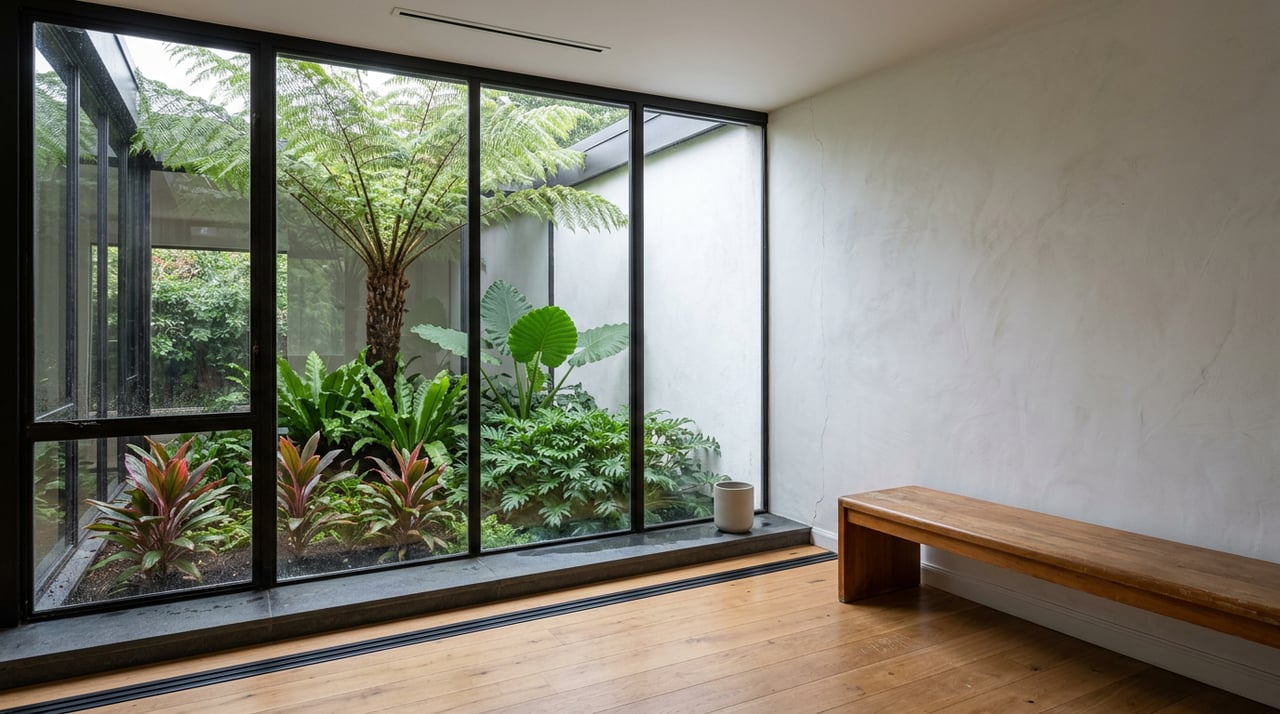
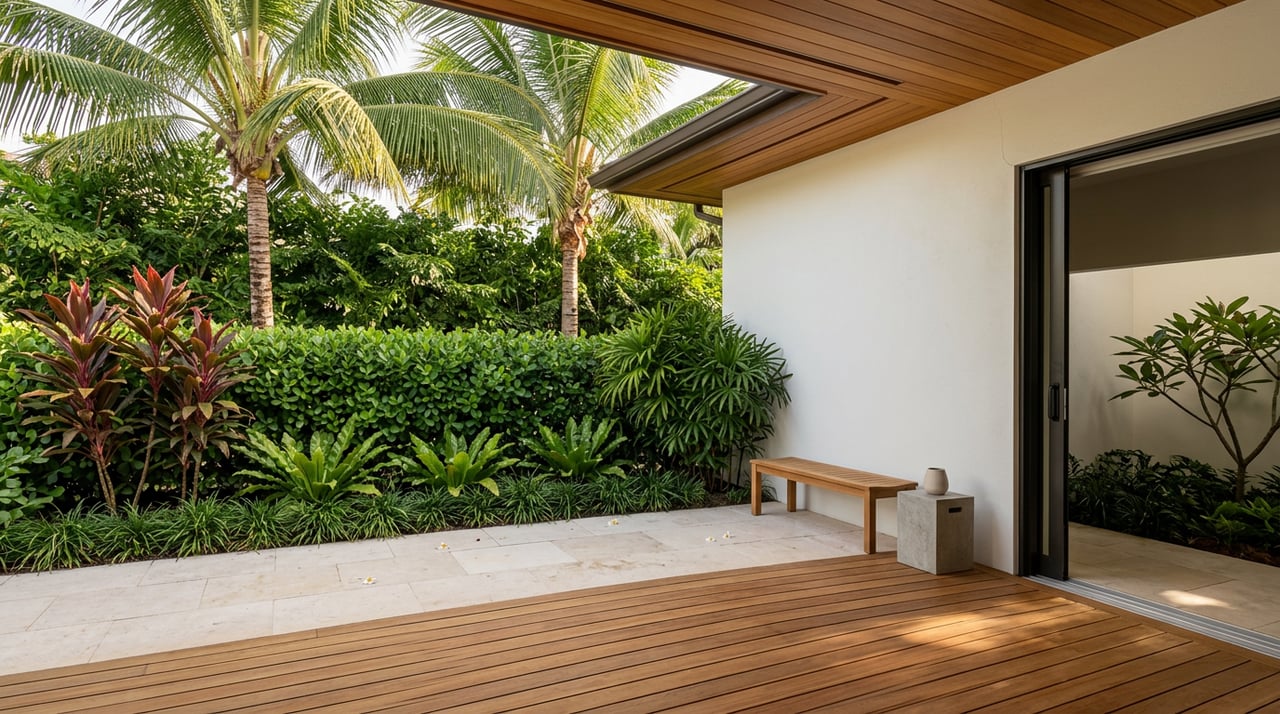
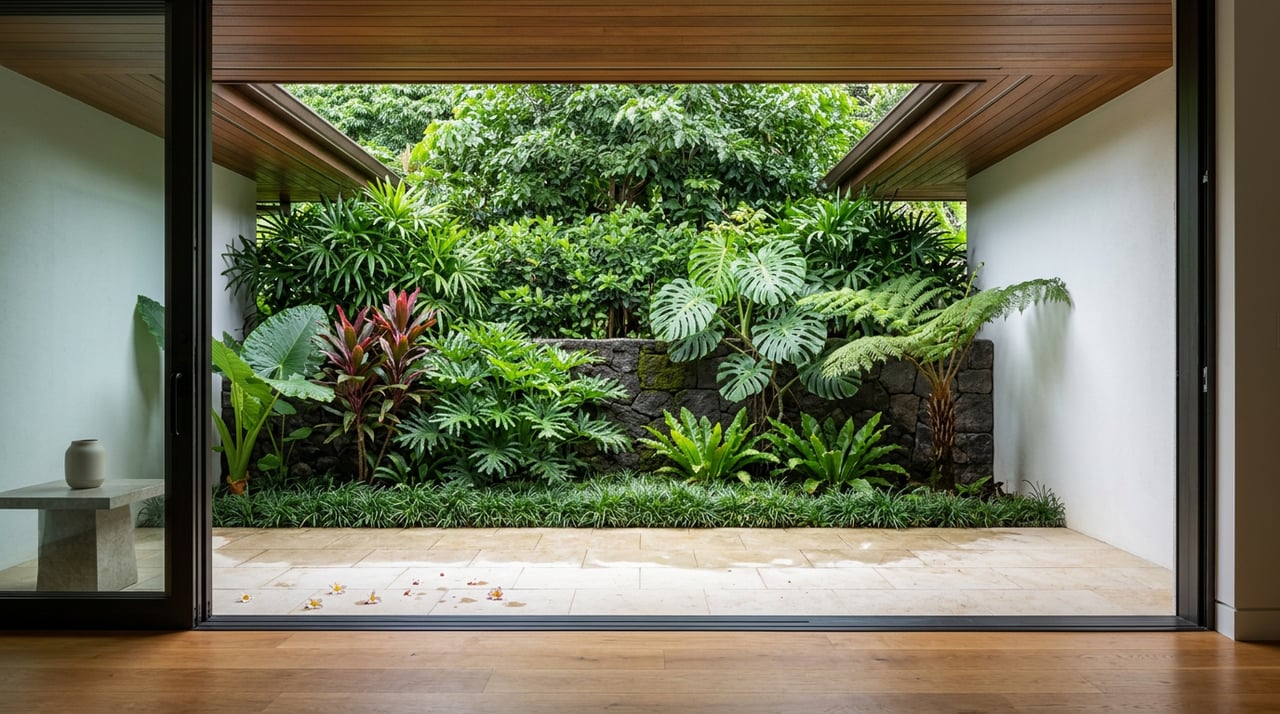
You also see postwar design in parts of the neighborhood. A 1949 home designed by Alfred Preis shows how some Mānoa properties were shaped to fit sloping terrain and capture valley views, with indoor-outdoor living that still feels relevant today.
What Buyers May Notice in Mānoa Homes
Because the neighborhood developed over different eras, you may find:
- Older single-family homes with historic character
- Architectural details from Craftsman and Colonial Revival styles
- Mid-century design influences in some hillside or view-oriented properties
- Homes on sloped lots rather than flat subdivisions
- Layouts and siting that respond to rain, topography, and vegetation
If you are comparing Mānoa to newer neighborhoods on Oʻahu, this area often feels more established and more varied. That can be a plus if you value character, but it also means each property may need more individual evaluation.
Lifestyle in Mānoa Valley
Mānoa appeals to people who want daily life to feel a little calmer and greener. It is not just a place to sleep between workdays. The neighborhood has educational, cultural, and outdoor anchors that give it a fuller rhythm.
UH Mānoa remains central to that lifestyle. The Campus Center serves as a hub for dining, events, and entertainment, and the campus adds activity and convenience that many nearby residential neighborhoods do not have.
Beyond the university, Mānoa’s identity is reinforced by places like Mānoa Public Library, Mānoa Valley Theatre, Lyon Arboretum, and Mānoa Heritage Center. Together, those institutions help the neighborhood feel rooted and active rather than purely residential.
Markets and Everyday Convenience
If you enjoy local produce and a regular neighborhood routine, Mānoa offers a few easy touchpoints. The Campus Center farmers market runs on Tuesdays from 8:00 a.m. to 2:30 p.m., and Mānoa Marketplace lists a farmers market on Tuesdays, Thursdays, and Sundays from 7:00 a.m. to 2:00 p.m.
That kind of schedule supports a practical, local lifestyle. You can picture a weekday coffee run, a stop at the market, or a quick errand loop without needing to build your whole day around it.
Outdoor Access Is a Major Draw
For many buyers, Mānoa’s biggest lifestyle advantage is access to nature without leaving urban Honolulu. Lyon Arboretum is a public botanical garden and research unit with more than 6,000 tropical and subtropical plant taxa, plus more than seven miles of hiking trails.
Mānoa Falls Trail is also identified by the state trail system as one of Oʻahu’s popular visitor hikes. If you like the idea of morning walks, lush scenery, and weekend trail time close to home, Mānoa delivers that in a way few intown neighborhoods can.
Commute From Mānoa
Mānoa’s commute story is more about proximity than long-distance travel. For many residents, the value is not that you avoid traffic entirely. It is that your key destinations may be relatively close.
UH Mānoa describes the neighborhood as near downtown, Waikīkī, and the airport, which helps explain why Mānoa is often attractive to people who work or study in town. You are not deep in the urban core, but you are not far from it either.
Public transit is also a real part of the equation. TheBus lists Route 5, Route 6, and Route 13 among the main routes serving UH Mānoa, and the university’s ride guide notes connections to campus, Ala Moana, downtown, and Waikīkī through combinations of those routes plus A Line and U Line service.
What Commute Planning Looks Like
If you are considering Mānoa, it helps to think about your routine in practical terms:
- Are you commuting to UH Mānoa regularly?
- Do you need quick access to downtown Honolulu?
- Will you travel often to Ala Moana or Kapiʻolani-area medical and shopping corridors?
- Are you comfortable using bus service for part or all of your commute?
- Will your schedule overlap with weekday morning peak periods?
UH Mānoa notes that lower-campus daily parking should be planned around weekday morning peak hours from 8:30 a.m. to 11:30 a.m. While that is campus-specific guidance, it is a useful reminder that roads and parking near key destinations can feel busier during peak times.
Rain, Drainage, and Property Considerations
Mānoa’s lush environment is one of its biggest strengths, but it is also something to understand clearly as a buyer. Upper Mānoa is especially wet, and Lyon Arboretum reports average annual rainfall of 165 inches in its tropical rainforest zone.
That rainfall helps create the valley’s green, layered look. It also means you should pay close attention to drainage, runoff patterns, grading, and stormwater handling when evaluating a property.
Flood history matters here too. The National Weather Service documented a 2004 storm in which Mānoa Stream overflowed and caused significant flooding in the valley and on the university campus.
Smart Questions to Ask When Touring Homes
When you are looking at a Mānoa property, consider asking:
- How does the lot handle heavy rain?
- Where does water drain during storms?
- Has the seller made improvements related to drainage or runoff?
- Is the home on a slope, near a stream area, or in a lower spot of the valley?
- What maintenance does the landscaping require in a wetter environment?
These are not reasons to avoid the neighborhood. They are part of understanding how to buy well in a valley setting.
How Mānoa Compares Nearby
Mānoa offers a different feel from nearby urban districts. Official descriptions of Kakaʻako emphasize a dynamic, pedestrian-oriented urban environment, while Waikīkī is described as Oʻahu’s main hotel and resort area with dense shopping, dining, entertainment, and visitor activity.
By contrast, Mānoa tends to fit buyers who want more greenery, a more residential pace, and close ties to campus and outdoor space. If your ideal day includes valley views, garden visits, and a quieter home base, Mānoa may feel more aligned than a high-rise setting.
That does not make one option better than another. It simply comes down to whether you want a denser walkable urban lifestyle or a more scenic residential rhythm near the center of Honolulu.
Who Mānoa May Suit Best
Mānoa can appeal to several types of buyers, especially those who want location and lifestyle in the same package.
You may want to look more closely at Mānoa if you are:
- Relocating to Honolulu and want to stay close to town without being in the middle of it
- Connected to UH Mānoa for work, study, or daily routines
- Drawn to older homes with architectural character
- Prioritizing outdoor access and a green setting
- Comfortable evaluating homes individually rather than expecting one uniform housing type
For sellers, Mānoa’s character can also be a real advantage. Buyers are often responding not just to square footage, but to setting, architectural story, and the valley lifestyle a home offers.
Final Thoughts on Mānoa Living
Mānoa offers a rare combination in Honolulu: central access, established residential character, and a distinctly lush valley setting. Its appeal comes from the whole picture, including varied architecture, campus energy, outdoor access, and a daily pace that feels a little more grounded than nearby urban districts.
If you are buying or selling in Mānoa, local context matters. Lot position, rainfall exposure, commute habits, and architectural style all shape value and fit in ways that are highly specific to the neighborhood.
If you want thoughtful guidance on how Mānoa compares with other Oʻahu neighborhoods, or help evaluating a specific home with a local eye, connect with The Oahuist - Bridget Townsend for expert support with aloha.
FAQs
What is daily life like in Mānoa, Honolulu?
- Daily life in Mānoa often centers on a quieter residential pace, UH Mānoa activity, local markets, and easy access to green spaces like Lyon Arboretum and Mānoa Falls Trail.
What kinds of homes are common in Mānoa Valley?
- Mānoa includes a mix of older single-family homes and architecturally varied properties, with examples tied to Craftsman, Colonial Revival, and mid-century design.
How is the commute from Mānoa to downtown Honolulu or Waikīkī?
- Mānoa is relatively close to both downtown Honolulu and Waikīkī, and transit options include TheBus routes that connect the neighborhood with campus, town, and Ala Moana.
What should buyers know about rain in Mānoa?
- Mānoa is known for wet conditions, especially deeper in the valley, so buyers should pay close attention to drainage, runoff, grading, and any flood-related property considerations.
Is Mānoa more urban or more residential than Kakaʻako and Waikīkī?
- Mānoa is generally more residential and green in character, while Kakaʻako and Waikīkī are denser urban areas with more concentrated shopping, dining, and visitor activity.
Why do buyers choose Mānoa on Oʻahu?
- Buyers often choose Mānoa for its valley scenery, proximity to central Honolulu, architectural character, campus adjacency, and access to outdoor recreation.