Dreaming about waking up near Kailua Beach? It’s easy to picture the view, the breeze, and the walkable beach lifestyle. But buying near the shoreline in Kailua also means thinking through parking, privacy, coastal upkeep, and local shoreline rules before you fall in love with a home. If you want a clearer picture of what living near Kailua Beach is really like, this guide will help you weigh the tradeoffs with confidence. Let’s dive in.
Beachfront Character in Kailua
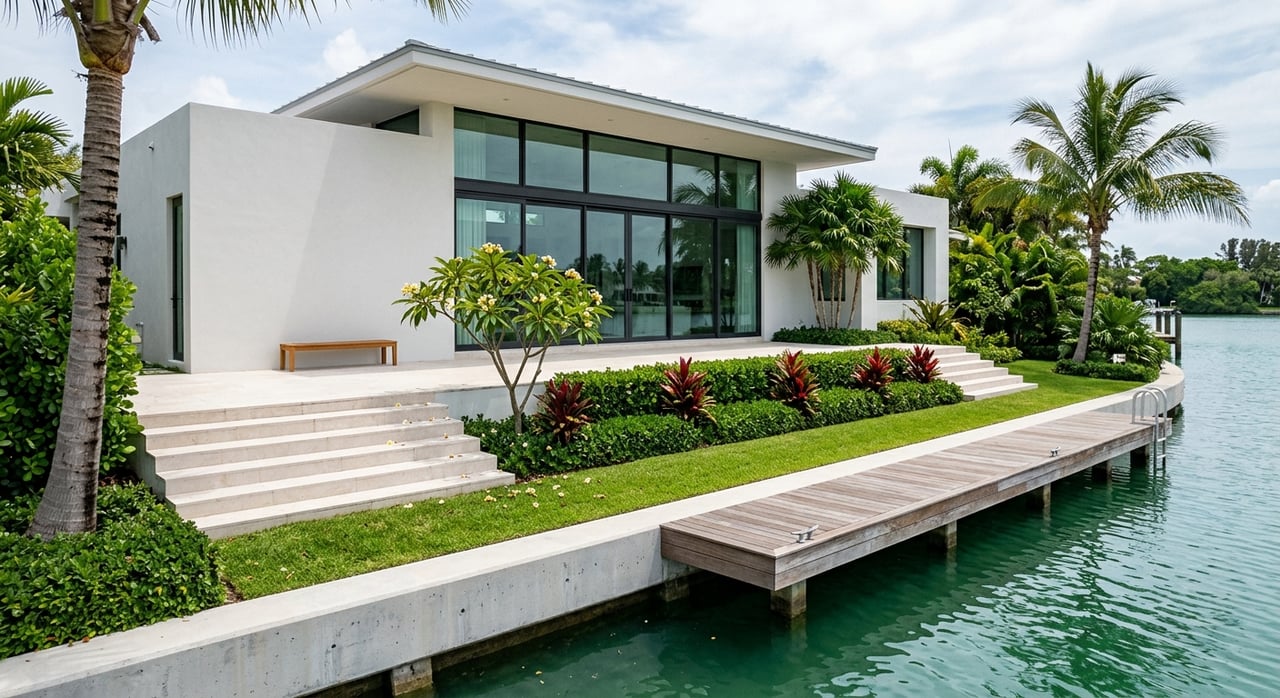
Buying near Kailua Beach does not mean every home looks or lives the same. The shoreline area includes a mix of older beach houses, bungalows, and established lots with different shapes, layouts, and access patterns.
In nearby Lanikai, state historic records show long rectangular beachfront parcels, older homes from the 1920s through the 1930s, and properties with detached garages or cottage-style secondary structures. That matters because two homes just blocks apart can offer very different yard depth, privacy, and parking setups.
You may also find that a home close to the beach is not directly on the sand. Some houses sit farther back on the lot, while others have accessory buildings or deeper front-to-back outdoor space that changes how the property feels day to day.
Parking Matters More Than Buyers Expect
One of the biggest lifestyle questions near Kailua Beach is simple: where will everyone park? The closer you get to the shoreline, especially toward Lanikai, the more important that question becomes.
According to the City and County of Honolulu’s 2025 Lanikai Transportation Management Plan, Lanikai has limited roadway access and no public parking lots for Lanikai Beach. The same plan says there are no restrooms, showers, or lifeguards along that half-mile beach stretch, which gives you a sense of how limited the supporting infrastructure is in that area.
This can affect your daily life even if you are not using the beach facilities yourself. If you host friends or family, guest arrivals may require more planning than you expect, especially on busy weekends and holidays.
Holiday Parking Controls Are Real
Parking pressure near the beach is not just occasional. The city reports that on peak-demand days, more than 171 parked cars have been observed illegally parked on the unimproved sidewalk in Lanikai.
The city has also used temporary holiday parking controls, including no-parking restrictions on unimproved shoulders in Lanikai. In past holiday periods, parking has also been restricted on Makaliʻi Place, the road closest to Kailua Beach Park, to reduce congestion.
For you as a buyer, this means driveway space, legal street parking, and guest logistics should be part of your property search. A beautiful home can feel very different once you factor in where visitors will leave their cars.
Alternatives Outside the Immediate Beach Zone
Kailua does offer options beyond the tightest beach streets. The city’s transportation plan notes that Kailua has public and private lots that can help accommodate visitors, including the city-operated Kailua Municipal parking lot and garage.
The plan also says TheBus Route 671 connects Kailua Town to Lanikai about every 40 minutes on weekdays, weekends, and holidays between 6:00 a.m. and 7:30 p.m. If you want beach access without quite as much day-to-day congestion, a home a few blocks inland may offer a more balanced setup.
Expect More Public Activity Near the Shore
Many buyers picture a quiet coastal block, but Kailua Beach is also a major visitor destination. That public use shapes the feel of the surrounding area throughout the year.
A University of Hawaiʻi Sea Grant study describes Kailua Beach Park as one of the most popular coastal recreation attractions on Oʻahu. The study also notes that visitor use is relatively stable year-round, even though peak visitation periods in Hawaiʻi are generally June through August and December through January.
The City and County of Honolulu said in a December 2024 dune restoration announcement that more than 1,700 people visit Kailua Beach Park per day. For you, that can mean more traffic, more foot activity, and more public presence near the beach than you might expect from a typical residential setting.
Privacy Changes as You Move Closer
The closer you get to the shoreline, the more your day-to-day experience may shift. Direct beach access can be incredibly appealing, but it may come with less privacy and more surrounding activity.
This is not necessarily a downside if beach access is your top priority. It just means your ideal location may depend on whether you value immediate walkability more than a quieter home environment.
Shoreline Rules Are Key Due Diligence
Coastal purchases in Kailua come with an extra layer of review that inland buyers may not expect. Two of the most important concepts are shoreline certification and the Special Management Area, often called the SMA.
The Hawaiʻi Department of Land and Natural Resources says the certified shoreline is the baseline for measuring shoreline setbacks. It also marks the boundary between the State Conservation District and the county SMA.
Under state guidance, a shoreline certification is not valid for more than 12 months unless special conditions apply. That timing matters if you are evaluating a parcel, planning changes, or relying on past shoreline information during your due diligence period.
Setbacks and Permit Review
Hawaiʻi law establishes shoreline setbacks of not less than 40 feet inland from the shoreline. The state also notes that the SMA permit is the first permit required for development within the SMA, while county authorities administer SMA permits and shoreline setback provisions.
In practical terms, that means a residential zoning designation does not automatically make future improvements simple. If a home or improvement is close to the water, there may be a separate review process to understand before you buy.
This is especially important if you are considering renovations, additions, or other updates after closing. Near the coast, due diligence is not just about the house itself. It is also about what the lot allows over time.
Public Access Remains Part of Coastal Living
Living near Kailua Beach also means understanding that the shoreline exists within a broader public access framework. State coastal policy emphasizes adequate and accessible public shoreline recreation.
DLNR also notes that the right of transit exists seaward of the shoreline as a beach transit corridor. In everyday terms, owning near the beach does not mean controlling the full shoreline experience outside your property line.
Coastal Maintenance Is Ongoing
A near-beach home can be beautiful, but it usually asks more from you over time. Salt, wind, moisture, and sand all affect how a property ages and what it takes to keep it in good condition.
Guidance from the University of Hawaiʻi College of Tropical Agriculture and Human Resilience explains that landscaping near the ocean can be challenging because sea salt may be deposited by spray and high surf, while wind can intensify plant stress. Coastal areas can also have severe soil salinity, which affects plant selection, irrigation, and outdoor maintenance.
For you, this means maintenance should be part of your buying decision from the start. It is wise to look beyond finishes and staging and think about how the parcel and exterior materials will perform in a salt-and-sand environment.
Erosion Is Part of the Conversation
Kailua Beach is also an active coastal management area. In late 2024, the city and state announced dune restoration work because erosion had narrowed parts of the beach, exposed tree stumps, and undermined park infrastructure.
That project includes relocating sand, removing damaged infrastructure, installing geotextile fencing, and planting native ground cover and trees to help stabilize the dunes. The broader takeaway for buyers is clear: this shoreline is beautiful, but it is also dynamic.
Sea Grant’s coastal real estate guidance for Hawaiʻi encourages buyers to think about coastal hazards, chronic erosion, tsunami exposure, and how often they are willing to monitor or repair a property. If you love the idea of a home near the water, it helps to be honest about your comfort level with ongoing upkeep.
How Close Should You Be?
For many buyers, this is the real question. The closer you get to Kailua Beach, the more you may gain in walkability and direct access, but the more you may also take on in traffic, guest parking logistics, public activity, and coastal maintenance.
If your priority is stepping out the door and being at the beach in minutes, a closer-in property may still be the right fit. If you want the beach lifestyle with a little more breathing room, a home a few blocks inland may offer a better balance.
A smart way to evaluate your options is to ask a few practical questions as you tour homes:
- How will guests park on a normal weekend and on a holiday?
- How much public activity am I comfortable with near the property?
- Is the lot close enough to the shoreline to trigger added review for future improvements?
- How much ongoing maintenance am I willing to take on in a coastal environment?
Those questions can help you look past the postcard view and focus on how the home will really live for you over time.
If you are exploring homes near Kailua Beach, local context makes all the difference. Working with a team that understands shoreline properties, lifestyle tradeoffs, and Oahu neighborhood nuances can help you buy with more clarity and less stress. When you are ready for thoughtful guidance, connect with The Oahuist - Bridget Townsend for a tailored consultation with aloha.
FAQs
What should buyers know about parking near Kailua Beach?
- Parking can be limited near the shoreline, especially in Lanikai, where the city reports no public parking lots for Lanikai Beach and uses holiday parking controls during peak periods.
What is the lifestyle difference between beachfront and a few blocks inland in Kailua?
- Homes closer to the beach usually offer easier beach access, but they may also come with more visitor activity, less privacy, tighter parking, and greater coastal maintenance exposure.
What is shoreline certification for Kailua coastal property?
- Shoreline certification is the state’s official shoreline determination used to measure shoreline setbacks, and DLNR says it is generally not valid for more than 12 months unless special conditions apply.
What is the Special Management Area in Kailua real estate?
- The Special Management Area is a coastal review area where development may require an SMA permit, and this can affect properties near the shoreline even if they are otherwise residentially zoned.
What maintenance issues matter most for homes near Kailua Beach?
- Salt spray, wind, moisture, sand, and soil salinity can all affect landscaping and exterior upkeep, so buyers should think carefully about long-term maintenance needs before purchasing.
How busy is Kailua Beach Park for nearby homeowners?
- The city said in 2024 that more than 1,700 people visit Kailua Beach Park per day, so nearby owners should expect regular public activity, traffic, and a more active shoreline environment than some buyers initially assume.