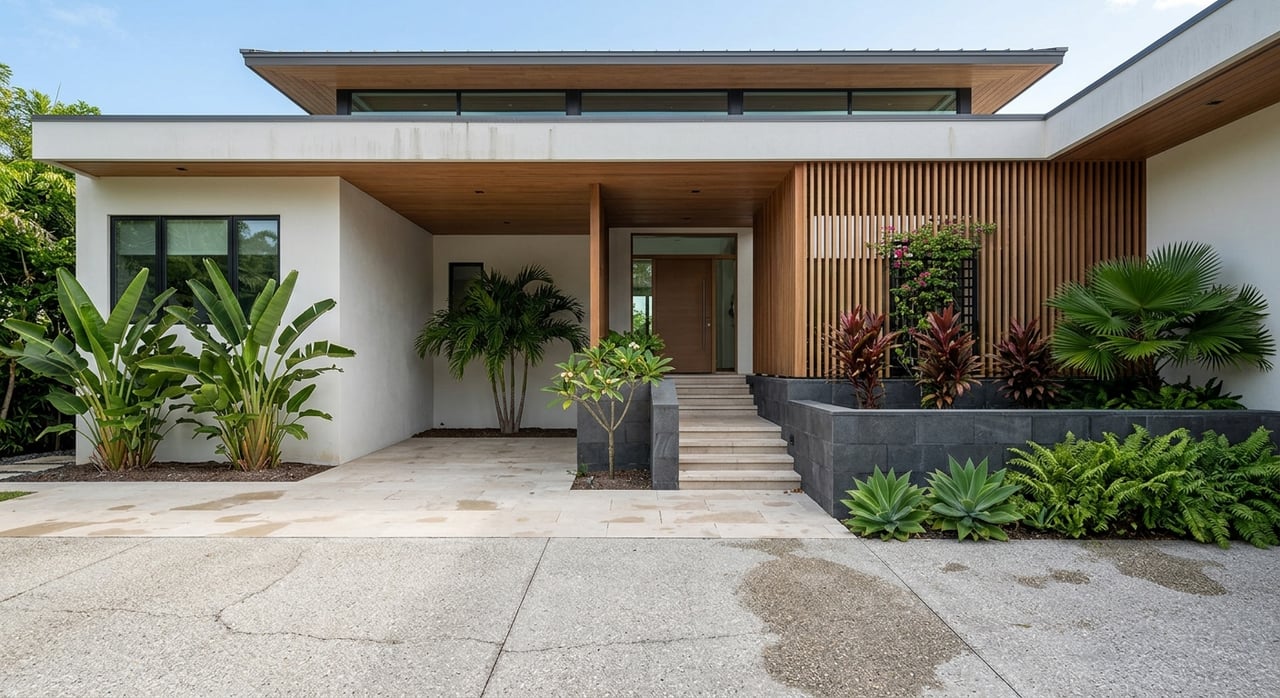
Thinking about a move to Hawaii Kai? It can be an exciting choice, but it is not a one-size-fits-all neighborhood. Your day-to-day experience can vary a lot depending on whether you choose a marina-front property, a valley home, or a ridge or hillside lot. This guide will help you understand how Hawaii Kai is laid out, what to watch for in your commute, and where careful due diligence matters most. Let’s dive in.
Hawaii Kai Is Really Several Submarkets
Hawaii Kai is officially defined by Honolulu’s neighborhood geography as stretching from Makapuʻu Point along the south coast to the western outlet of Kuapa Pond, then inland to Maunalua Ridge and the Koolau Range. For buyers, that broad boundary matters less than the fact that Hawaii Kai behaves like a collection of smaller submarkets.
In practical terms, you will usually be choosing among marina and waterfront homes, valley locations, or ridge and hillside properties. Each option can offer a different feel, housing mix, and set of tradeoffs. That is one reason relocating buyers often benefit from narrowing the search by lifestyle first and property type second.
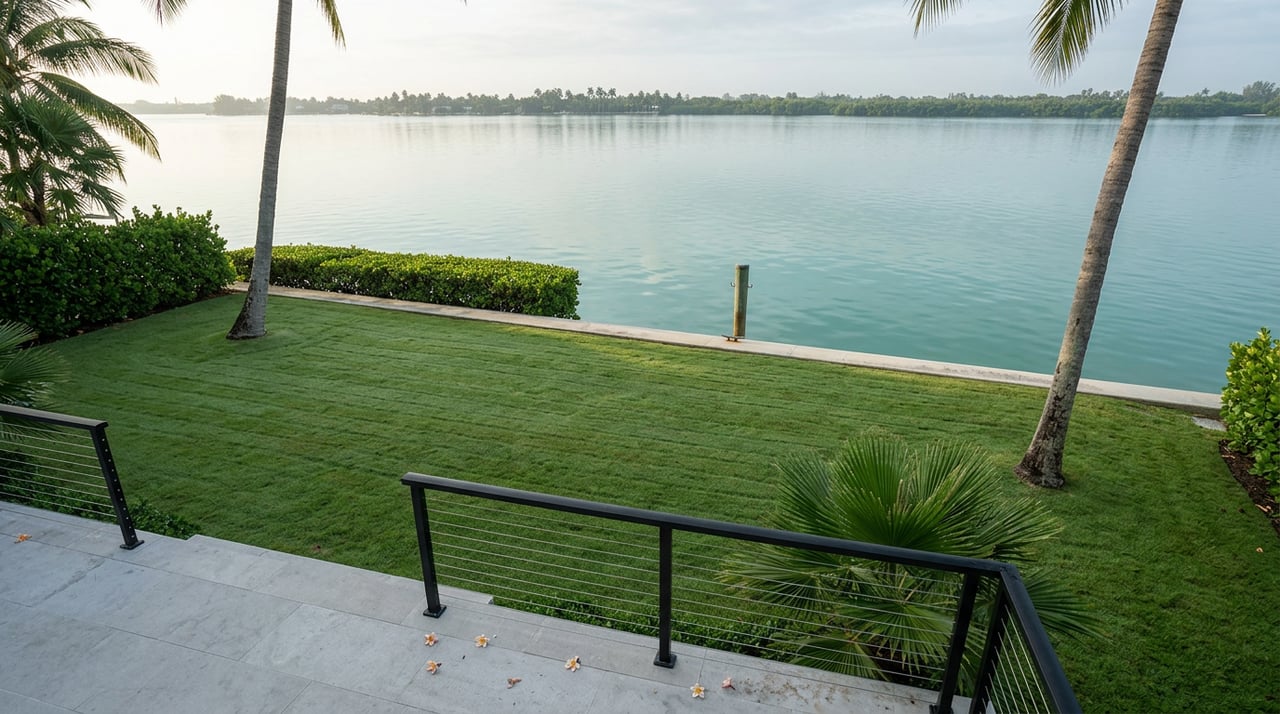
The marina area is especially unique. The Hawaii Kai Marina Community Association describes the marina as a private body of water serving both residential and commercial properties with access to Maunalua Bay. Because that waterfront includes single-family homes, townhomes, condos, and even shopping-center properties, the housing choices can feel more varied than many buyers expect.
Start With Your Daily Routine
When you relocate, the right home is not only about square footage or views. It is also about how the location supports your normal week. In Hawaii Kai, that means thinking carefully about your route in and out of the area.
Kalanianaole Highway, also known as Route 72, is a major access corridor, and the Hawaii Department of Transportation operates a weekday westbound HOV and contraflow lane from 5 a.m. to 8 a.m. between West Halemaumau Street and Ainakoa Avenue. That official traffic pattern is a strong reminder that morning travel out of Hawaii Kai often depends on a limited road network.
HDOT has also routed traffic through Lunalilo Home Road, Hawaii Kai Drive, and Kealahou Street during certain highway closures. For you as a buyer, that means commute planning should go beyond a map estimate. It is smart to test your likely route during peak times and pay attention to side streets, turn patterns, and how a specific block may react to congestion or detours.
Why the Exact Route Matters
In many areas, buyers compare freeway access points. In Hawaii Kai, the better question is often more specific. You may want to ask how long it takes to leave your street, make the key turn movements, and merge into the main traffic flow during your real commute window.
That detail can shape your daily quality of life more than a broad statement like “easy access.” A home that looks similar on paper may feel very different at 7 a.m. on a weekday. If you are relocating from the mainland, this is one of the easiest things to underestimate.
Match the Home Type to Your Lifestyle
Hawaii Kai offers a wide range of residential choices, but the right fit depends on how you want to live. If boating is your priority, a marina-front property may seem like the obvious answer. If you value a quieter lot with elevation or a different street pattern, valley or hillside locations may deserve a closer look.
The key is to understand that each home type brings its own rules, costs, and practical considerations. A waterfront address can be exciting, but it often comes with more layered due diligence than a typical inland property.
Marina Homes Need Extra Review
If you are considering a marina-front purchase, expect another level of association oversight beyond a standard HOA or condo association. According to the Hawaii Kai Marina Community Association, waterfront lots are subject to Marina Rules and Regulations as well as a Declaration of Protective Provisions. The declaration also includes required assessments for marina care, maintenance, and operations.
That matters because your ownership costs and use rights may not be limited to the home itself. They can also include marina-related obligations that affect budgeting and lifestyle. Before you move forward, make sure you understand the current assessments and the rules that apply to the lot.
HKMCA also states that boat docks cannot be installed or modified without approval. The rules further note limits involving guest boats, vessel registration, shallow bridge clearances, size, and wake restrictions. If your plan includes boating, the question is not just whether the home has a dock. It is whether your specific vessel and usage plans fit the marina’s rules.
State boating rules add another layer. In Hawaii waters, motorized vessels with 10 horsepower or more require boating safety education, and HKMCA notes that marina members are not exempt. If boating is central to your relocation plan, this should be part of your early planning rather than a surprise after closing.
Condos and Townhomes Need Document Review
If you are shopping for a condo or townhome in Hawaii Kai, document review is one of the most important steps in the process. The Hawaii Department of Commerce and Consumer Affairs records checklist identifies core documents to review, including the declaration, bylaws, house rules, financial statements, and delinquency information.
Those records can tell you a lot about the health of the association. They can also help you spot possible maintenance fee pressure, reserve concerns, or special assessment risk before you are too far into escrow. For relocators who are comparing many properties quickly, this step can protect you from expensive surprises.
Buying Remotely Requires a Better System
Many Hawaii Kai buyers are relocating from outside Oahu, and some need to make decisions before they can visit in person. If that is your situation, the goal is not simply to buy sight-unseen. The goal is to create a process that helps you understand layout, condition, and lifestyle as clearly as possible.
Industry guidance on remote buying points to a few practical tools that can help. Floor plans, 3D walkthroughs, dollhouse views, and live video sessions are especially useful because they help you judge room flow and how the home actually lives. Photos alone rarely give the full story.
What to Ask for in a Remote Search
If you are narrowing options from afar, ask for materials that help you picture everyday use of the home, not just the highlights. A polished listing can still leave out the things that matter most once you move in.
Helpful items often include:
- A clear floor plan
- A live video walkthrough
- Views from key rooms and outdoor areas
- A sense of how the property sits on the street
- Notes about noise, parking, and access
- Context on the immediate surroundings
This kind of information is especially valuable in Hawaii Kai because lot position, elevation, and access patterns can strongly affect your experience.
Inspections Matter Even More From Afar
The Consumer Financial Protection Bureau advises buyers to schedule an independent inspection as soon as possible, choose an inspector known for honesty and thoroughness, and attend if possible. If your contract includes an inspection contingency, buyers generally can cancel without penalty if they are not satisfied with the results.
A standard home inspection typically reviews structure, exterior, roof, plumbing, electrical, HVAC, interiors, ventilation or insulation, and fireplaces. It may also include tests for issues such as mold, radon, lead paint, and asbestos. For a Hawaii Kai purchase, a thorough inspection can be especially important because remote buyers may otherwise miss moisture concerns, drainage issues, or signs of past remodel work.
Think About Lifestyle Block by Block
Hawaii Kai attracts buyers for many reasons, but lifestyle fit can vary a lot from one pocket to another. If boating is the main draw, the marina offers a very specific and structured version of waterfront living. If hiking is part of your routine, areas near active trail corridors may feel more convenient, but they may also see more weekend traffic and parking activity.
The area sees active use around Koko Head and Hahaʻione Valley trails. That does not make one location better or worse than another. It simply means your ideal location should line up with how much activity, access, and movement you want around you.
This is why broad neighborhood descriptions often fall short. In Hawaii Kai, the better approach is to compare streets and micro-locations based on how you plan to spend your weekends, manage your commute, and use the home year-round.
Verify Schools by Exact Address
If school assignment is part of your move, it is important to verify it by property address, not by neighborhood name. The Hawaii Department of Education’s Farrington-Kaiser-Kalani complex includes Henry J. Kaiser High, Hahaʻione Elementary, Kamiloʻiki Elementary, Niu Valley Middle, and Koko Head Elementary.
Assignments can depend on the exact location of the property. Even within the same broader area, two homes may not align with the same school path. For that reason, address-level confirmation should be part of your due diligence before you make a decision.
Use Address-Specific Hazard Screening
Hazard review in Hawaii Kai should always be tied to the exact property. The State of Hawaii’s flood map viewer uses FEMA flood maps, and the Hawaii Emergency Management Agency notes that flash floods in Hawaiʻi commonly move through streams, valleys, and low-lying streets. Honolulu’s tsunami planning also uses location-specific standard and extreme evacuation zones.
For buyers, the takeaway is simple. You should not assume that a general Hawaii Kai label tells you enough about hazard exposure. A marina-front home may need especially careful flood and tsunami review, while a mauka lot may call for closer attention to slope, drainage, and runoff.
This is one of the clearest reasons local guidance matters. Two homes that look close on a map can present very different due diligence questions depending on elevation, topography, and proximity to water or drainage paths.
A Smart Hawaii Kai Buying Plan
If you are relocating to Hawaii Kai, your best next step is to treat the search like a series of practical filters. Start with lifestyle, then test commute patterns, then review property-specific rules and condition. That simple sequence can help you focus quickly and avoid common relocation mistakes.
A useful checklist includes:
- Decide whether you prefer marina, valley, or ridge living
- Test the exact commute route during your likely travel time
- Review HOA, condo, or marina documents early
- Confirm school assignment by address if needed
- Use thorough inspections and remote viewing tools
- Screen each property for flood, tsunami, drainage, and slope concerns
When you approach Hawaii Kai this way, the neighborhood becomes much easier to understand. Instead of trying to “figure out Hawaii Kai” as one place, you can focus on the specific version of Hawaii Kai that fits your life best.
If you want a polished, local-first approach to your Hawaii Kai move, The Oahuist - Bridget Townsend offers relocation support, buyer representation, and neighborhood-level guidance with aloha.
FAQs
What makes Hawaii Kai different from other Honolulu neighborhoods for buyers?
- Hawaii Kai includes several distinct submarkets, including marina, valley, and ridge or hillside areas, so your commute, home type, and due diligence needs can vary a lot depending on the exact location.
What should buyers know about commuting from Hawaii Kai?
- Kalanianaole Highway is a key access route, and official HOV and contraflow operations show how concentrated morning traffic can be, so it is smart to test your exact route at peak times.
What should buyers review before purchasing a Hawaii Kai marina-front home?
- Buyers should review marina rules, protective provisions, assessments, dock approval requirements, vessel rules, and practical limits such as bridge clearance, boat size, and wake restrictions.
What documents should buyers review for a Hawaii Kai condo or townhome?
- Buyers should review the declaration, bylaws, house rules, financial statements, and delinquency information to better understand association operations, reserve health, and possible assessment risk.
What should remote buyers do when purchasing a home in Hawaii Kai?
- Remote buyers should use floor plans, 3D tours, live video walkthroughs, and an independent home inspection to better understand layout, condition, and potential issues before closing.
How should buyers check schools and hazard risks in Hawaii Kai?
- Buyers should verify school assignment by exact address and use address-specific hazard screening for flood, tsunami, drainage, slope, and runoff concerns rather than relying on the neighborhood name alone.