Thinking about bringing parents, keiki, or adult children under one roof in Kāneʻohe? You are not alone. Multigenerational living is common across Hawaiʻi and can offer comfort, flexibility, and financial breathing room. In this guide, you will learn how Honolulu’s updated rules affect ADUs and ʻohana units, which design choices work in Kāneʻohe’s climate, and the exact steps to check feasibility before you spend on plans. Let’s dive in.
Why multigenerational works in Kāneʻohe
Many Hawaiʻi households include multiple generations, a share that sits well above the U.S. average. The state’s own data highlights that multigenerational living is a normal and practical choice for many families here. You can review the broader context in the state’s overview of household patterns, which helps explain why flexible home layouts matter on Oʻahu’s windward side (state overview on multigenerational households).
If you are thinking about an addition or second unit in Kāneʻohe, the right path often comes down to two options in Honolulu’s code: the ADU and the ʻohana unit.
ADU vs ʻohana: what you need to know
ʻOhana units and ADUs sound similar, but they are not the same under Honolulu’s Land Use Ordinance. An ʻohana unit is an accessory dwelling intended for relatives of the household in the main home. It can be attached or detached, but it is restricted to family occupancy and usually comes with recorded covenants. An ADU is a self‑contained dwelling with its own kitchen and bath intended for long‑term residential use. Both require review by the Department of Planning and Permitting (DPP), and both are subject to infrastructure capacity checks. You can read the city’s ordinance language that explains these distinctions and the related covenants (Honolulu LUO updates).
Important rental note: ADUs and ʻohana units are not for short‑term vacation use. City rules and recorded covenants typically limit them to long‑term residential occupancy. If you are considering rental income, plan for a compliant long‑term strategy and verify specifics with DPP.
2025 updates that expand your options
Honolulu recently updated its LUO through work culminating in Ordinance 25‑2. The changes simplified ADU size thresholds and, in some situations, allow a lot to have both an ADU and an ʻohana unit if standards are met, including that the lot is not a condominium property regime (CPR). The commonly referenced size brackets used in homeowner guidance are 500 square feet for lots under 5,000 square feet and 1,000 square feet for lots 5,000 square feet or larger. Always confirm your exact maximum with DPP for your parcel. For a plain‑English overview, review a concise homeowner summary of the ordinance changes (ADU size brackets and updates). For the formal language and limitations, see the city’s ordinance document (official LUO updates).
Start with the DPP pre‑check
Before you draw plans, the DPP ADU/ʻohana Public Facilities Pre‑Check is your gatekeeper. This early review circulates your proposal to:
- Board of Water Supply for meter sizing and potential fees
- Wastewater for sewer capacity
- Honolulu Fire Department for access and life‑safety needs
- Traffic reviewers, and sometimes other agencies
If any agency finds capacity or access is inadequate, you may face added costs or a redesign. Submitting this form first can save months and thousands of dollars. You can review the instructions and the actual form to understand the routing and typical responses (ADU Public Facilities Pre‑Check form).
Kāneʻohe site realities that shape design
Sewer and water drive feasibility
Kāneʻohe is part of the Kailua–Kāneʻohe–Kahāluʻu service area, which ties into regional wastewater infrastructure. Some pockets remain unsewered, and historic capacity constraints have delayed approvals in certain corridors. Your pre‑check sign‑offs will determine whether your lot can support an added dwelling and how many fixtures are allowed. If your parcel uses an on‑site system, an engineer may need to evaluate upgrades. For planning context, review the region’s service area notes in the city’s plan library (Koʻolau Poko planning context).
On water supply, BWS may allow you to use your existing meter if capacity is adequate. A second meter is optional and comes with meter and WSFC fees. Read BWS’s homeowner Q&A so you can budget early and avoid surprises (BWS ADU Q&A on meters and fees).
Coastal and SMA considerations
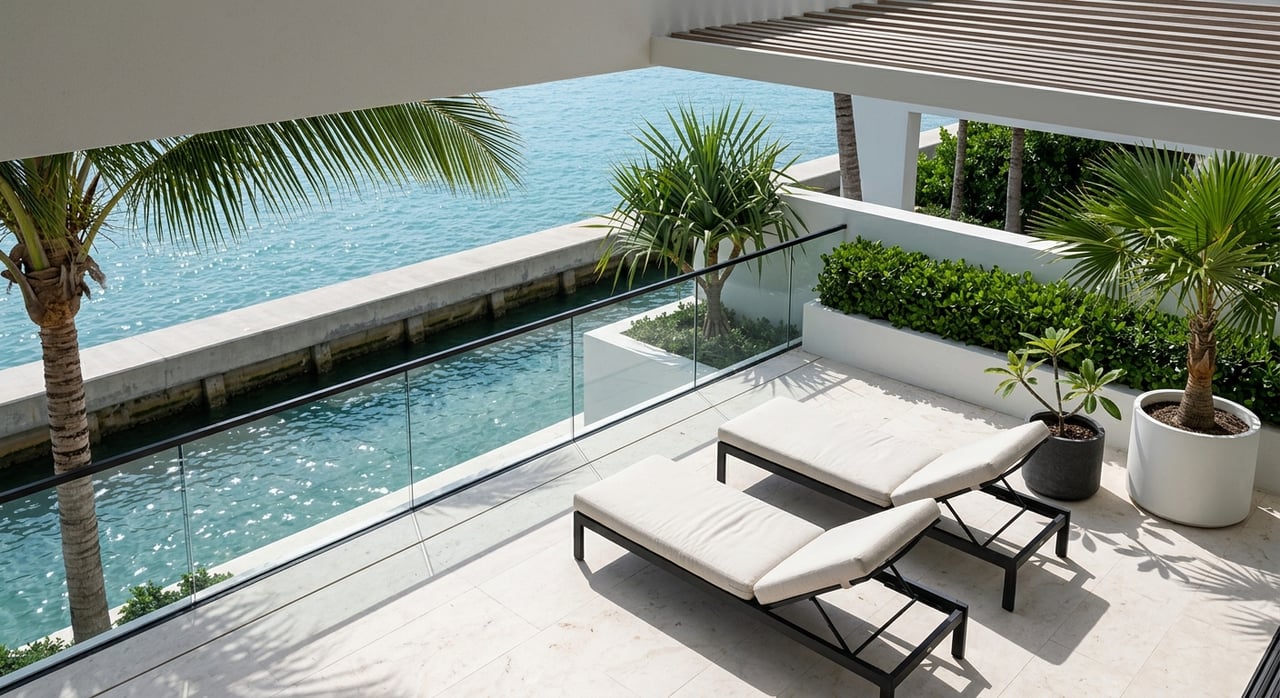
If your property is on or near Kāneʻohe Bay, you may be inside a Special Management Area or within a shoreline setback. That can add reviews like shoreline certification or sea‑level‑rise exposure checks. A smart first step is to screen your parcel using the state’s sea‑level‑rise mapping tools, then talk with your design team about SMA triggers before you invest in drawings (Hawaiʻi Sea Level Rise Viewer).
Climate‑smart design for windward living
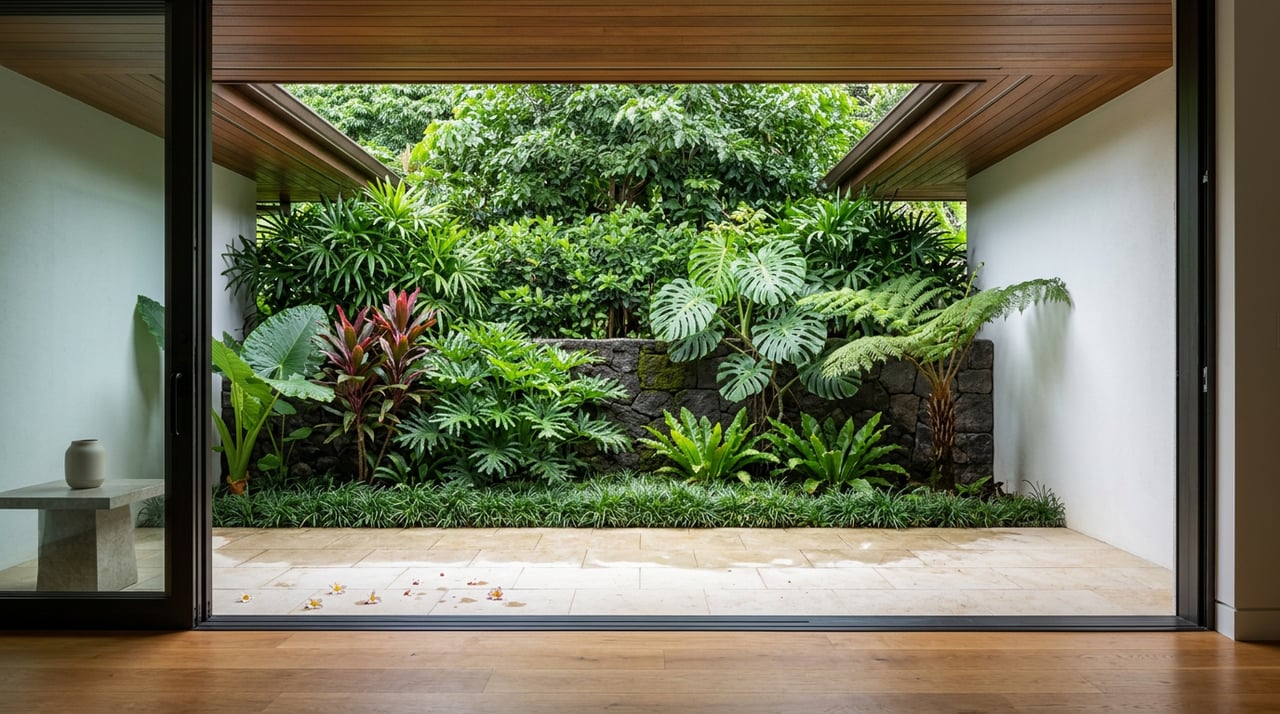
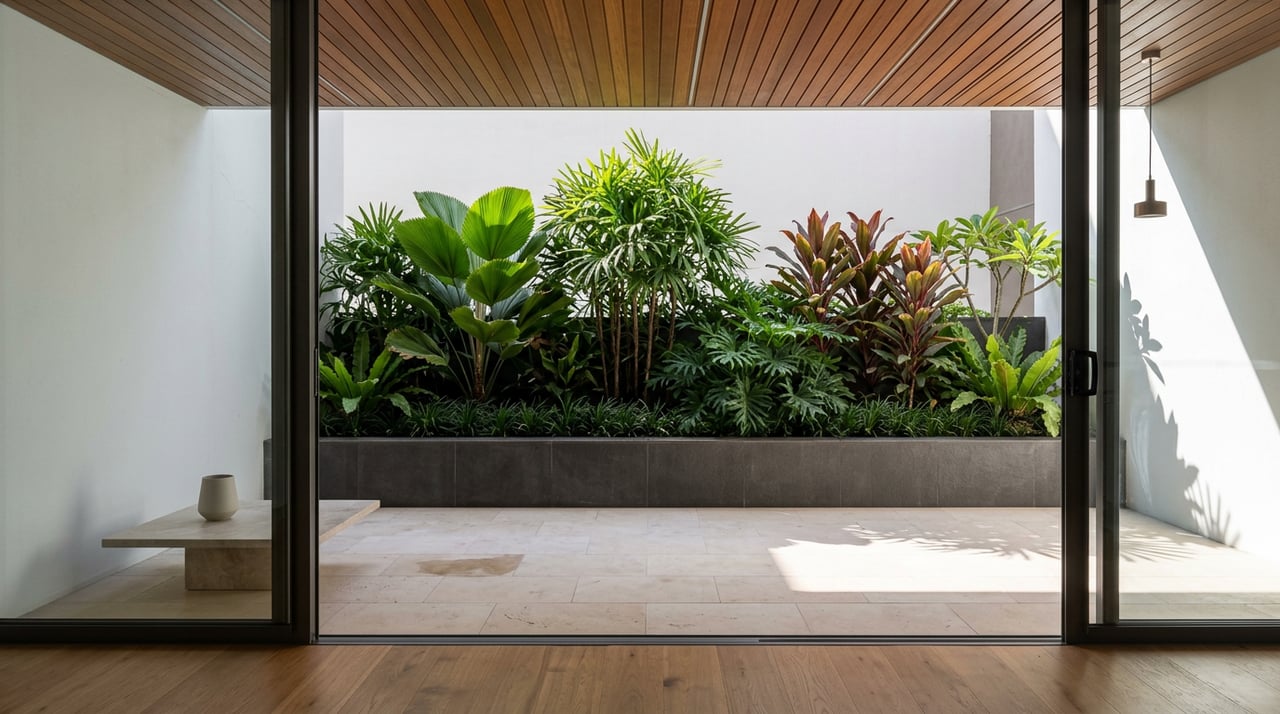
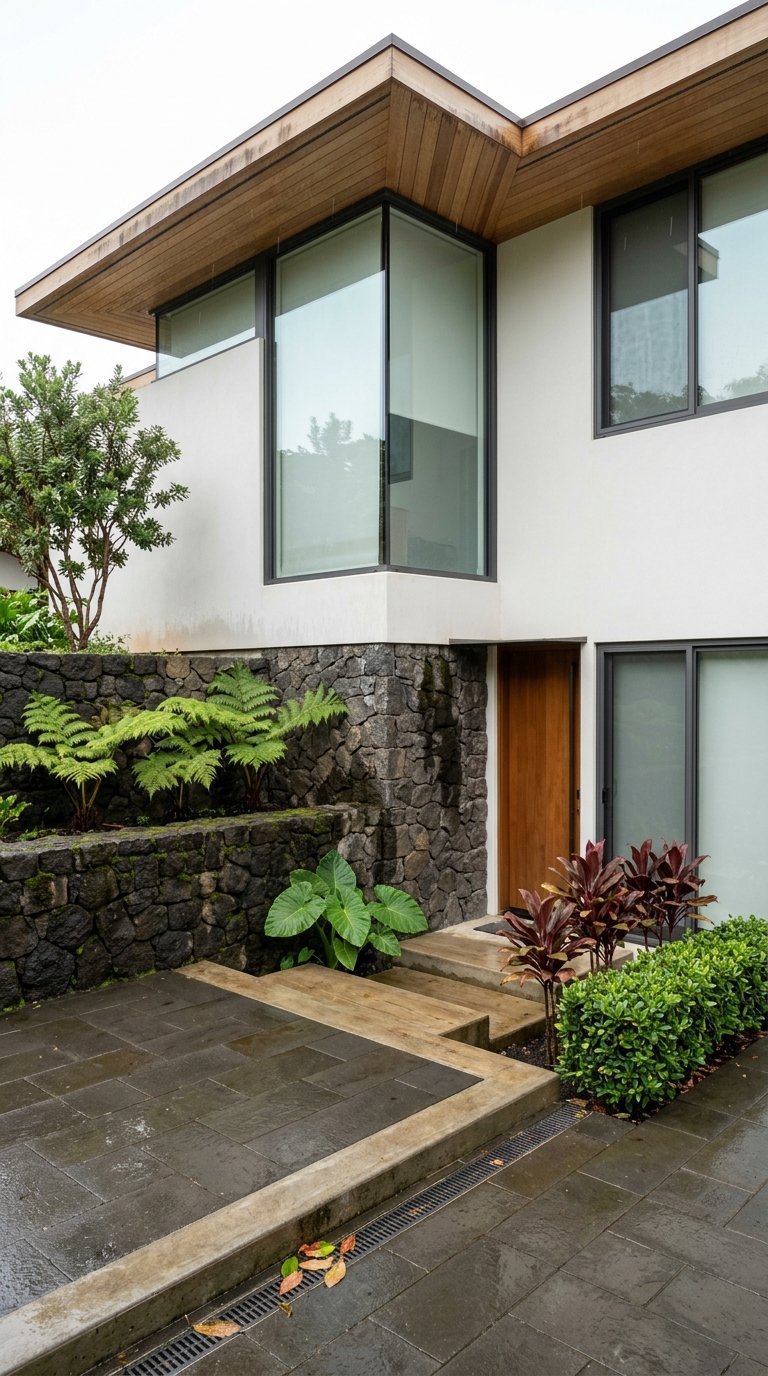
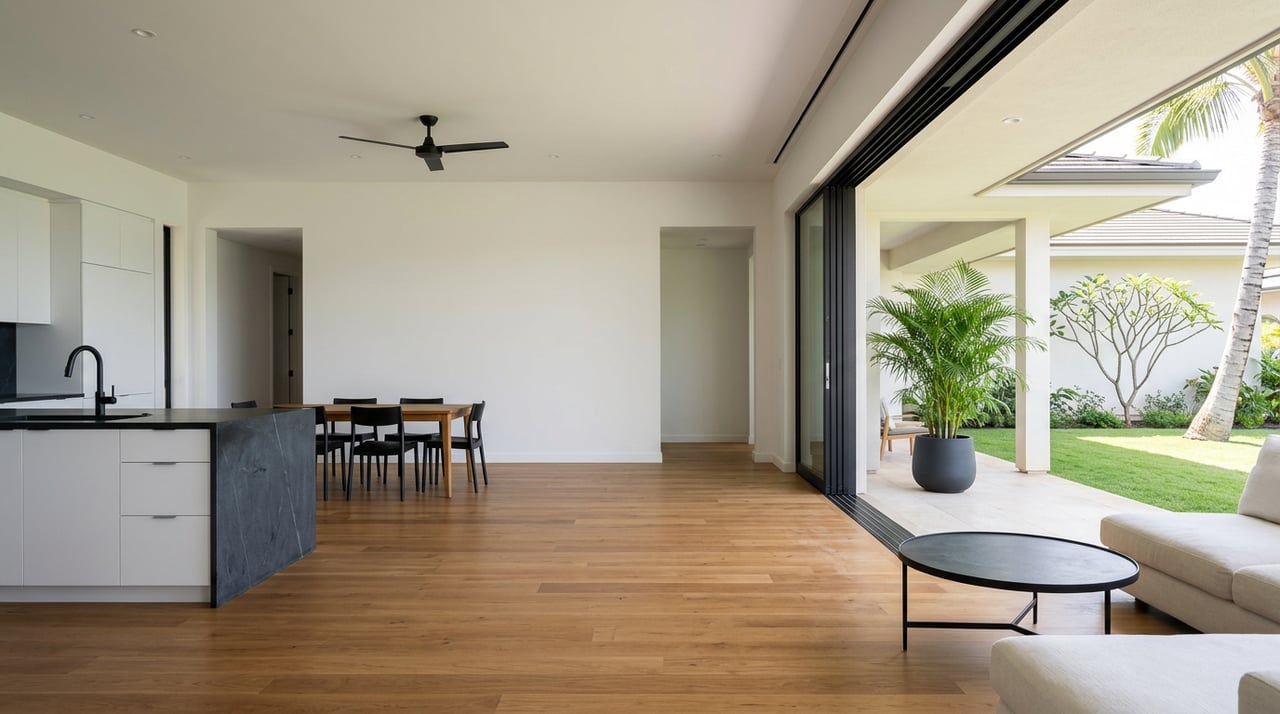
Kāneʻohe’s windward microclimate favors covered lanais, shaded walkways, and layouts that catch the trades. Plan for durable finishes that handle humidity and salt air, add gutters and sheltered connections between units, and orient sliders and windows to cross‑ventilate. Simple moves reduce AC use and keep the home comfortable year‑round.
Layout strategies that work in Kāneʻohe
Attached wing with a private entry
An attached in‑law wing gives close connection for care while preserving privacy. You can include a secure interior door to the main home and a separate exterior entrance for independence. If the space includes a full kitchen, it may be treated as a separate dwelling, which triggers ADU rules. Confirm with DPP before finalizing plans (city LUO guidance).
Detached ʻohana or backyard ADU
A detached cottage maximizes privacy and acoustic separation. If you plan to house relatives, an ʻohana unit can be attached or detached, but it remains limited to family occupancy. If you want rental flexibility for long‑term tenants, an ADU may be the better fit, subject to pre‑check approvals and recorded covenants. Define the unit type early because it shapes your covenant, parking, and utility choices (city LUO guidance).
Garage conversion or over‑garage studio
Converting a garage or adding a small studio above it can be cost‑effective on smaller Kāneʻohe lots. Verify that the structure is legally established, check setbacks, and run the pre‑check before committing to construction drawings. These projects often require careful fire access planning and structural upgrades.
Floor plan must‑haves
- A ground‑floor bedroom and accessible full bath for aging relatives
- A small kitchenette or wet bar if you want light cooking, while understanding that a full kitchen may create a separate dwelling under zoning
- Direct exterior access for privacy and safety
- One flexible bonus room that can convert to a caregiver space later
For an easy walk‑through of universal design features, use a homeowner checklist that covers door clearances, lever handles, curbless showers, and grab‑bar backing in walls (AARP HomeFit guidance).
Privacy, sound, and sightlines
Use hedges, trellises, and small courtyard setbacks to create two clear “fronts,” one for each household. Place bedrooms away from shared driveways and gather spaces. If parking is tight, design the driveway to reduce conflicts between cars and foot traffic. Some areas have parking flexibility, but you should confirm the current DPP rules for your lot (city LUO guidance).
Utilities, fire, and building details you should plan
- Water: BWS will evaluate whether your existing meter can serve the added unit or whether a new or larger meter is preferred, which can include WSFC charges. Ask BWS for an early estimate so you can budget accurately (BWS ADU Q&A).
- Sewer/wastewater: Pre‑check sign‑offs determine whether you can add bedrooms or need upgrades. Unsewered lots may be restricted by health code limits tied to on‑site systems (planning context and infrastructure notes).
- Fire/building: HFD reviews can require access improvements or sprinklers depending on your layout and the number of sleeping areas. Coordinate early during the pre‑check stage (ADU pre‑check form and routing).
Legal, financing, and operations
- Recorded covenants: Honolulu typically requires recorded covenants for ʻohana and ADU approvals. These confirm occupancy rules and prevent separate subdivision or condominium conversion. Review the covenant language so you understand long‑term limits (city LUO updates).
- Taxes and rental income: Long‑term ADU rent can affect property tax classification and your overall tax picture. Consult a tax professional for guidance tailored to your situation.
- State programs: Lawmakers have considered incentives and financing tools to spur ADU construction. Check the current status of bills like the 2025 proposals so you do not miss helpful programs (state bill reference).
- Team selection: Choose an architect and contractor who know Honolulu’s DPP process, the pre‑check routing, and any SMA or shoreline rules that may apply to Kāneʻohe parcels. Expect a two‑step path: pre‑check sign‑offs, then full permit drawings and building permit review.
Your Kāneʻohe multigenerational design checklist
- Confirm zoning, lot area, and whether your parcel is a CPR using DPP property search tools. ADUs are not allowed on CPR lots under current rules (LUO updates).
- Submit the DPP Public Facilities Pre‑Check and get agency sign‑offs before paying for full drawings (pre‑check form and instructions).
- Verify sewer capacity or evaluate your on‑site wastewater system if the lot is unsewered (planning context).
- If you are near Kāneʻohe Bay, screen for shoreline/SMA and Sea Level Rise Exposure Area using the state viewer (SLR viewer).
- Select your typology: attached wing, detached cottage, or garage conversion. Add aging‑in‑place features if the space is for elders (AARP HomeFit).
- Ask BWS about meter sizing and potential WSFC charges early in budgeting (BWS ADU Q&A).
- Decide whether your space will be an ʻohana unit for family or an ADU for long‑term occupancy or rental. The choice drives covenants and use rules (LUO updates).
Designing a multigenerational home in Kāneʻohe is a smart way to care for loved ones and build long‑term flexibility. If you want a local, service‑first partner to align your plan with the neighborhood market and connect you with vetted designers and contractors, reach out to Bridget Townsend. We will help you plan with confidence, with aloha.
FAQs
What is the difference between an ADU and an ʻohana unit in Honolulu?
- An ʻohana unit is limited to family occupancy and requires recorded covenants, while an ADU is a self‑contained dwelling intended for long‑term residential use; both need DPP review and infrastructure sign‑offs (city LUO updates).
How large can my ADU be on a typical Kāneʻohe lot?
- Guidance commonly references 500 square feet for lots under 5,000 square feet and 1,000 square feet for 5,000 square feet or larger, but you must confirm your exact maximum with DPP (homeowner summary of updates).
Do I need a new water meter for an ADU in Kāneʻohe?
- Not always; BWS may allow the existing meter if capacity is sufficient, while a new or larger meter is optional and includes fees, so request BWS guidance early (BWS ADU Q&A).
Can I rent an ʻohana unit to a non‑relative in Kāneʻohe?
- Typically no; ʻohana units are restricted to family occupancy under the LUO, so consider an ADU for long‑term rental flexibility and verify specifics with DPP (city LUO updates).
Are ADUs allowed as short‑term vacation rentals on Oʻahu?
- No; ADUs and ʻohana units are commonly limited to long‑term residential occupancy under city rules and recorded covenants, so they are not for TVU or B&B use in many cases (city LUO updates).
What if my Kāneʻohe property is near the bay and inside the SMA?
- You may need shoreline or SMA reviews in addition to building permits; screen your parcel with the state sea‑level‑rise tools and coordinate early with your design team and DPP (SLR viewer).