Ever wondered what it would feel like to live where most people vacation? If you are drawn to calm lagoons, palm-lined paths, and a polished resort setting, Ko Olina might be on your shortlist. At the same time, you want to know how daily life works beyond the beaches, from HOA fees to errands and school options. This guide walks you through the lifestyle, housing choices, costs, rules for rentals, and a practical buyer checklist so you can decide with confidence. Let’s dive in.
Ko Olina at a glance
Ko Olina is a master-planned resort community on Oahu’s leeward coast, just west of Honolulu and next to Kapolei. It blends resort hotels, residential villages, a marina, an 18-hole golf course, and four man-made lagoons. The community was designed as a single, phased project, which shapes how amenities cluster and how people move through the area.
In the resort core, you will find pedestrian-friendly promenades, dining, and beach access. Residential neighborhoods sit adjacent to this core, often in gated or association-managed enclaves. Outside the lagoon paths, most day-to-day trips for work, schools, and shopping still happen by car.
Daily life and amenities
Signature lagoons and beaches
The four sheltered lagoons are the heart of Ko Olina. The water stays calm, which makes them popular for swimming and snorkeling. Public beach access in Hawaii is generally protected, though access points and parking may be managed or permit controlled depending on the parcel. Expect more activity during holidays, high tourist seasons, and late morning through early afternoon.
Resorts, dining, and spa scene
Ko Olina hosts several full-service resorts, including Aulani, a Disney Resort & Spa, and a Four Seasons property. This brings year-round dining, spa services, and entertainment to your doorstep. It also means steady visitor activity near hotel fronts, especially around dining hours and event times. If you enjoy options without leaving the neighborhood, this mix is a clear benefit.
Recreation on your doorstep
If you love active days, Ko Olina delivers. The Ko Olina Golf Club, a signature resort-style course, is an anchor amenity. The marina supports boat access and charters for ocean days. Walking and biking are easy along the lagoon paths and within the core, and there are parks and green spaces throughout the community.
Shopping, services, and getting around
On-site shops and cafes cover daily grab-and-go needs, along with tourist-focused retail. For full grocery runs, medical services, and specialty shopping, you will likely head to Kapolei. Most residents plan errands that take about 10 to 20 minutes by car. West Oahu is also served by TheBus, and regional rail investments focus on the Kapolei and East Kapolei area, so it is smart to check current routes and station status.
Schools, healthcare, and utilities
Ko Olina sits within Honolulu County’s public school system, with area assignments generally tied to Kapolei and Ewa Beach zones. Private school options exist across West Oahu as well. Hospital-level care is available in Kapolei and central Honolulu, and local urgent care is accessible nearby. Utilities are provided by county and regional providers, though some parcels may have private arrangements that you should verify during due diligence.
Homes and ownership
What you can buy
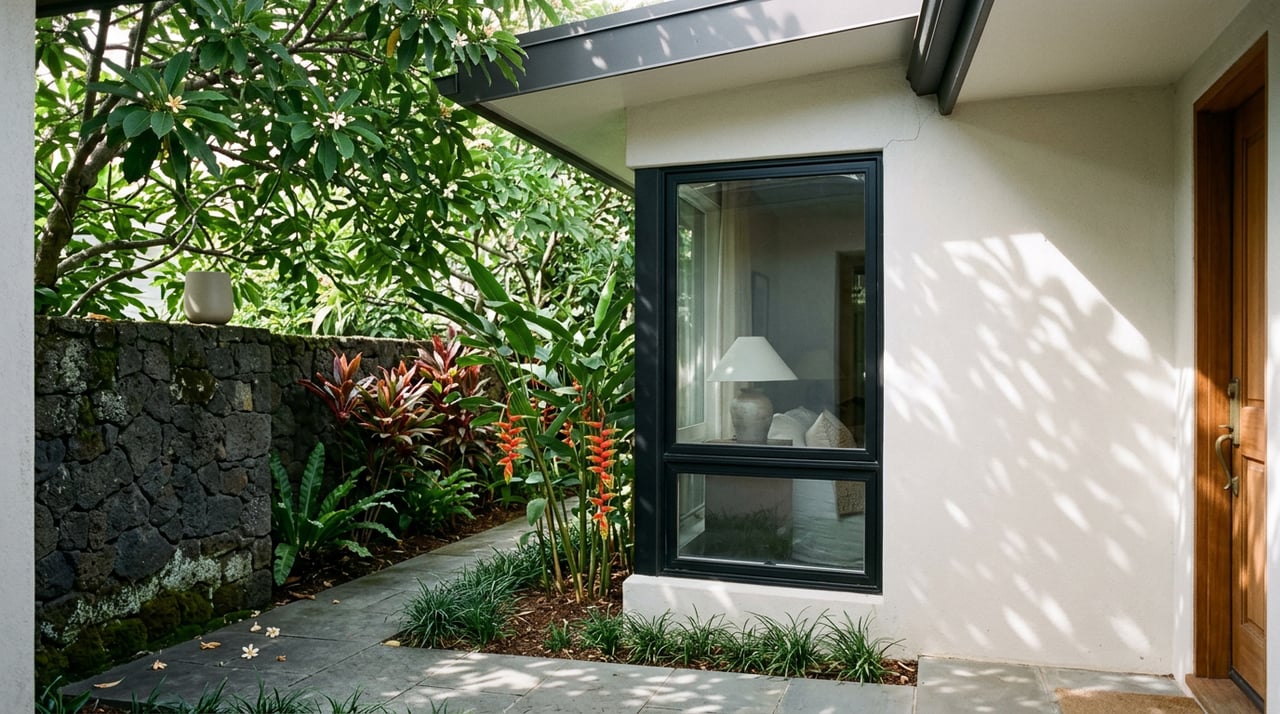
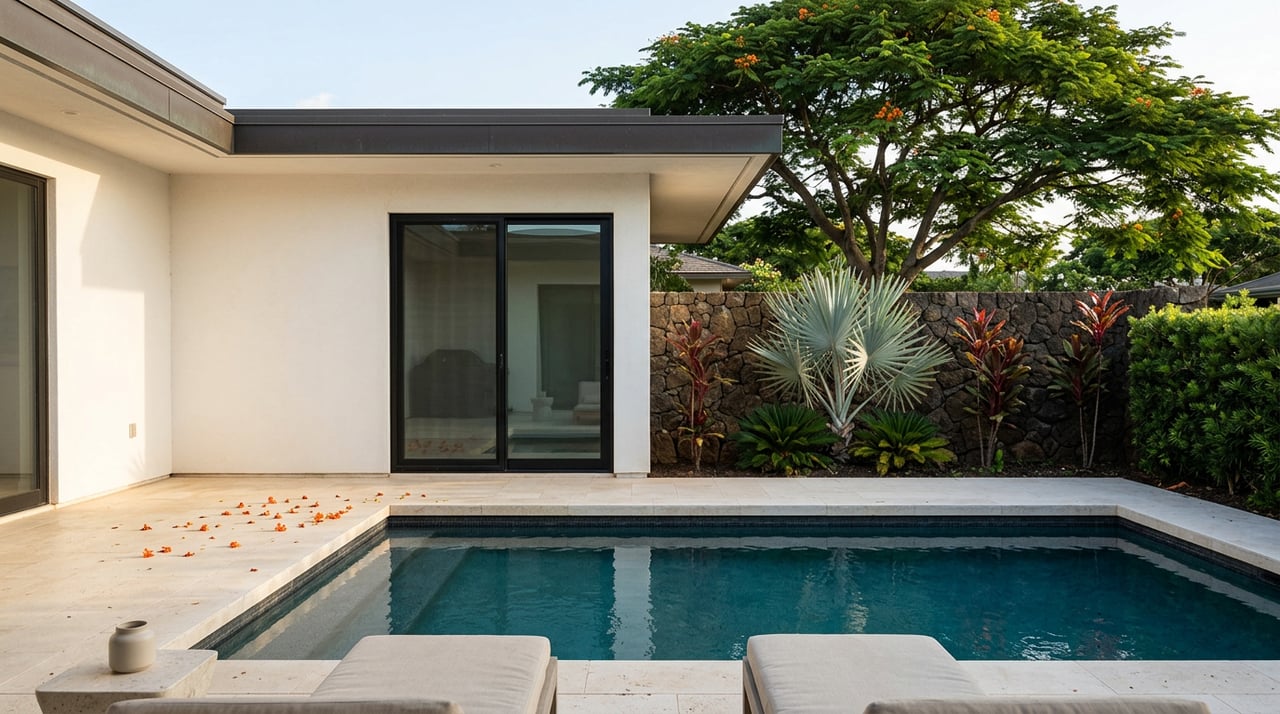
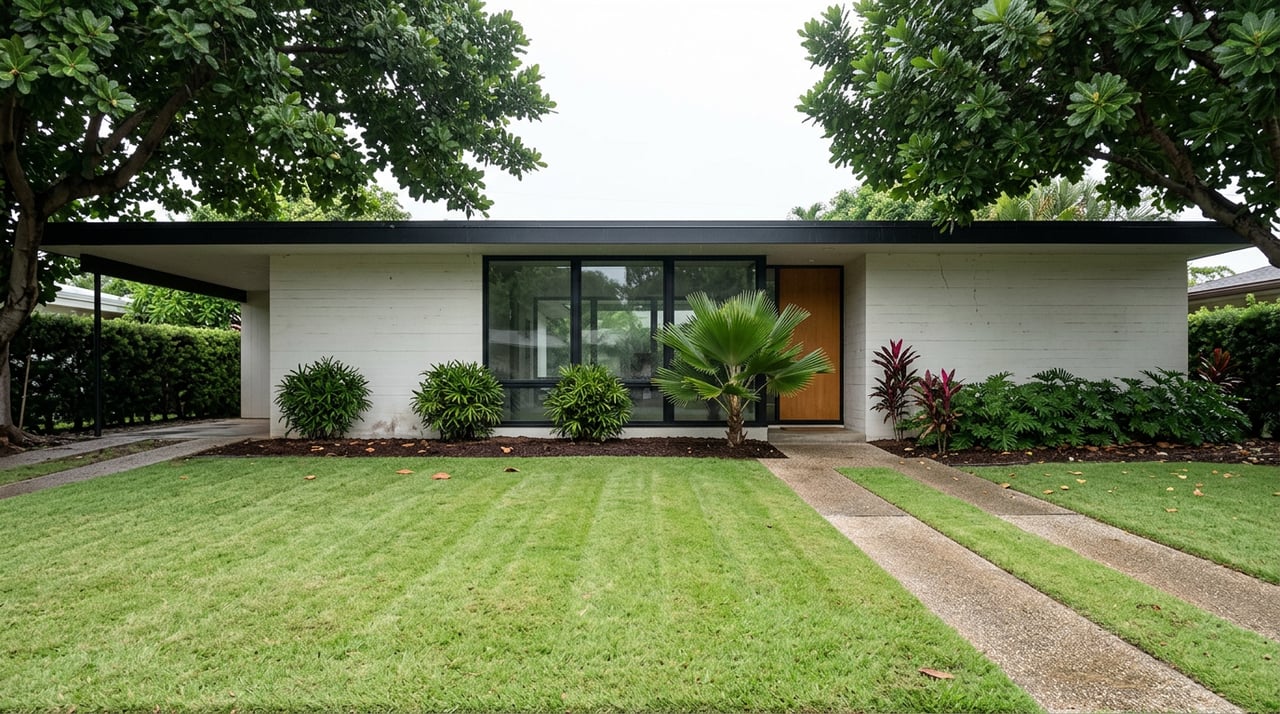
Housing in Ko Olina spans several property types. You will see resort-branded hotels and condo properties, stand-alone single-family homes in gated or limited-entry villages, townhomes and low-rise communities, and condo buildings tailored to second-home owners or retirees. Each option carries different HOA rules, maintenance expectations, and rental possibilities.
HOA fees and what they cover
Most Ko Olina homes sit within an HOA or condo association. Fees fund landscaping, shared security, and in many cases resort-style amenities. In full-service complexes, fees can be higher because they support more robust services and facilities. You should review budgets, reserve studies, recent and planned assessments, and rules on guests, parking, and pets to understand the full cost of ownership.
Renting your home: know the rules
Short-term rental potential varies parcel by parcel. Some areas are hotel zoned and explicitly allow transient accommodations, while residentially zoned parcels may restrict them. County-level rules and permits govern what is allowed, and association bylaws add another layer. If rental income is part of your plan, verify zoning, permitting, HOA restrictions, and any resort operator requirements before you commit.
Is Ko Olina a fit for you
Top perks
- Direct access to protected lagoons and a resort-style beachfront lifestyle.
- Multiple on-site leisure options, including golf, the marina, spas, and branded dining.
- Polished public spaces, professional landscaping, and a service-oriented environment.
- Strong appeal for second-home owners and retirees, with demand for vacation stays where permitted.
Practical tradeoffs
- Tourist presence brings activity near lagoons and hotels, especially during peak seasons and events.
- Housing and carrying costs trend toward the premium end of the Oahu market.
- Proximity to resort programming can affect privacy and noise for nearby residences.
- Most full-time residents still drive to Kapolei for grocery shopping, schools, and medical care.
- Rental strategies face regulatory complexity and association rules, which can limit flexibility.
Compare nearby options
If you are still deciding on the right West Oahu fit, compare Ko Olina to Kapolei and Ewa neighborhoods. Ko Olina emphasizes resort living with immediate access to lagoons and leisure amenities. Kapolei and Ewa offer broader residential infrastructure, typically with more diverse shopping and school access at lower price points. Your choice comes down to whether the resort environment is your top priority.
Buyer checklist
Use this step-by-step list to simplify your research and avoid surprises.
- Visit the property several times, including weekdays and weekends, to note traffic, lagoon activity, and any evening noise.
- Confirm parcel zoning and permitted uses with City and County planning.
- Review the full HOA or condo package: budgets, reserve study, meeting minutes, rental rules, maintenance schedules, and recent or planned special assessments.
- Verify utility providers, private easements, and any community maintenance contracts.
- Check FEMA flood maps and state tsunami evacuation maps for the address. Ask about elevation and any VE zone details if coastal proximity is relevant.
- Obtain homeowner, wind, and flood insurance quotes for the specific property to understand true premiums.
- Clarify deeded parking, guest parking rules, and any resort access policies that affect visitors.
- Confirm school assignments through the Hawaii Department of Education and test commute times to your workplace.
- For rental plans, verify county permits, HOA approvals, and resort management program rules. Request recent performance data for comparable units from local managers.
- Ask the seller for recent utility bills, HOA fee history, and a list of capital improvements and common-area projects.
Resale and investment notes
If part of your strategy is long-term value or income potential, consider these factors.
- Some resort-branded properties include resale restrictions or require specific management contracts, which can influence pricing and yield.
- Vacation rental demand is seasonal. If you plan to rent, research occupancy and average daily rates for the property type you are considering.
- Add up all carrying costs, including HOA fees, property taxes, and insurance. Compare that total to likely net income and to the cost of a comparable non-resort home in West Oahu.
- For valuations, compare apples to apples. A resort condo and a full-service HOA single-family home follow different pricing dynamics and buyer pools.
How The Oahuist helps
You deserve clear guidance that balances the dream with the details. As a boutique team with island-wide expertise, The Oahuist pairs neighborhood-level insight with presentation-forward service. For buyers, that means candid advice on HOA rules, rental feasibility, and true carrying costs, plus access to a private buyers network for potential off-market opportunities. For sellers, in-house staging and premium marketing help you stand out in a resort market where presentation drives results.
If Ko Olina is on your radar, let’s map out the right property type, budget, and timing for your goals. Start a conversation with Bridget Townsend to plan your next steps with confidence.
FAQs
What is daily life like in Ko Olina?
- You live in a polished resort setting with calm lagoons, walkable promenades, and on-site dining, while most errands and services happen in nearby Kapolei.
Are the Ko Olina lagoons private or public?
- Beach access in Hawaii is generally public, but specific access points and parking may be managed or permit controlled depending on the parcel and time of day.
Where do residents shop and get healthcare?
- Daily convenience is on-site, but larger grocery stores, medical services, and specialty retail are concentrated in Kapolei, typically a short drive away.
Can I rent my home short term in Ko Olina?
- It depends on parcel zoning, county permitting, HOA rules, and any resort operator agreements, so verify all layers before making plans.
What types of homes are available in Ko Olina?
- Options include resort condos and timeshares, townhomes and low-rise buildings, and gated single-family or villa-style homes with varying HOA structures.